
Introduction
If you love speculative fiction, you probably have a go‑to list of authors you trust. Maybe you dive into dystopias like The Handmaid’s Tale, or you enjoy the creepy tension of Edgar Allan Poe’s short stories like The Tell‑Tale Heart. Perhaps you grew up reading Shel Silverstein books and still love that blend of imagination and heart. But here’s the thing: even dedicated genre readers sometimes miss the literary authors who quietly weave fantastic elements into their stories.

One of those hidden gems is Katherine Paterson.
You might know Paterson for her classic Bridge to Terabithia, which many of us read in school. But did you catch the speculative layer underneath? That magical kingdom in the woods, the way imagination bends reality, the themes of loss and longing that feel as deep as any fantasy novel? Paterson’s books are often shelved under “children’s literature,” yet they carry the same emotional weight and world‑building care you find in the best fiction books of all time. Her work deserves a closer look from adult readers who crave thoughtful, genre‑blending stories.
The thing is, many fans of speculative fiction overlook Paterson because her books aren’t marketed as fantasy or sci‑fi. But her novels are full of underappreciated speculative elements subtle magic, alternate realities, and deep moral questions. If you’ve been searching for reads that feel both literary and imaginative, the books by Katherine Paterson are a perfect starting point.
In this article, we’ll explore what makes Paterson’s work special and point you toward similar authors who blur the lines between genres. Whether you’re a lifelong fan of crossover stories or just curious about stepping outside your usual list, you’ll find plenty of inspiration here.
For more recommendations on authors who mix literary depth with speculative wonder, check out our roundup of modern fiction for genre readers: the best crossover novels of 2026.

It’s packed with titles that will broaden your reading horizons just like Paterson’s work can.
Who Is Katherine Paterson? A Literary Journey
Who is the woman behind some of the most beloved children’s books of the last fifty years? Katherine Paterson is an American author who has won almost every major award in children’s literature. She won the Newbery Medal twice, first for Bridge to Terabithia and again for Jacob Have I Loved.
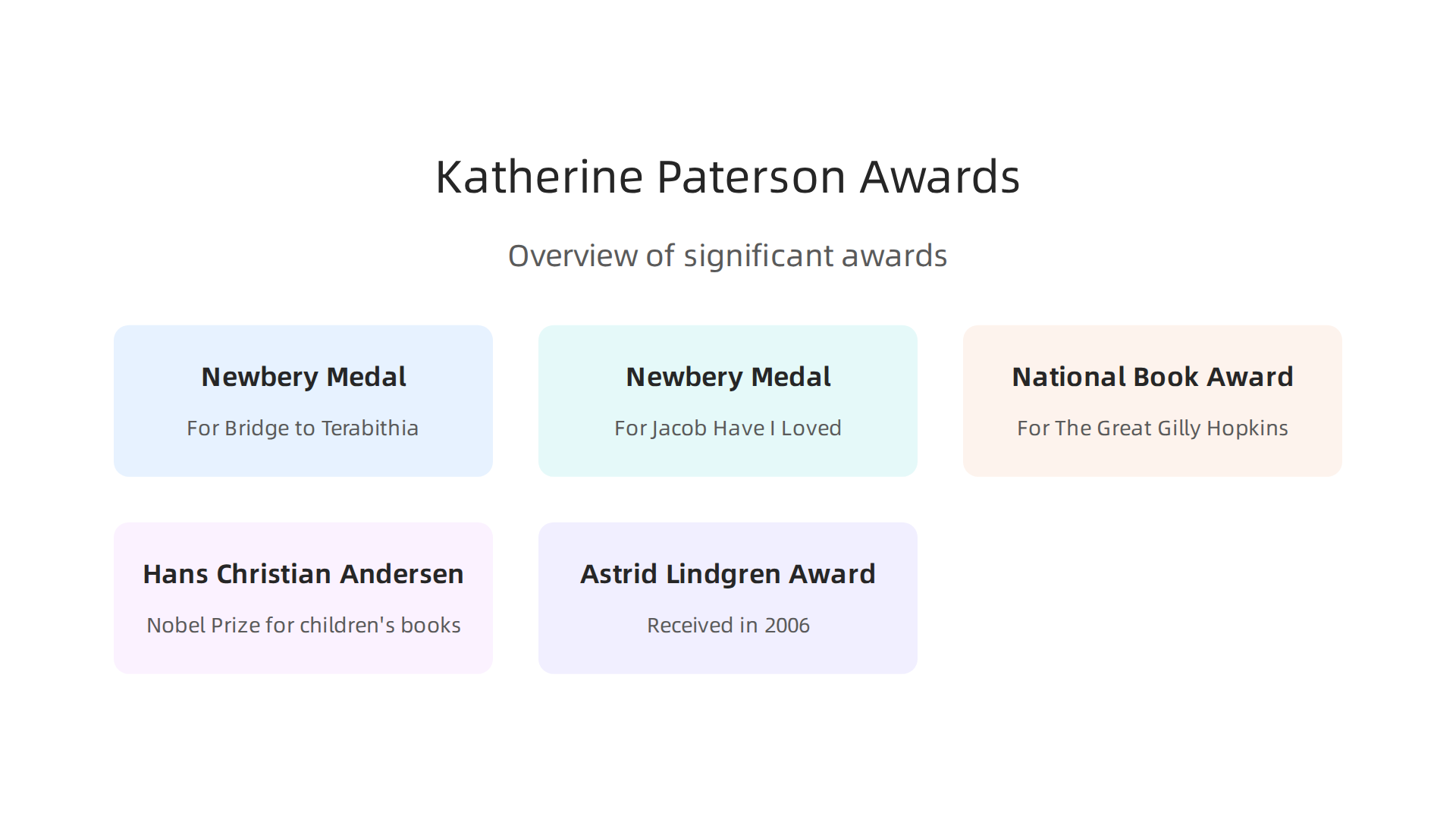
She also won the National Book Award for The Great Gilly Hopkins. And in 1998, she received the Hans Christian Andersen Award, which is like the Nobel Prize for children’s books. In 2006, she got the Astrid Lindgren Memorial Award as well.
Paterson’s life story is just as rich as her novels. She was born in China to missionary parents, and her family moved around a lot. That experience gave her a deep interest in other cultures. Her first three novels were historical fiction set in Japan, like The Sign of the Chrysanthemum. But she is best known for books that feel very real, yet have a touch of the strange and wondrous.
So why should readers of speculative fiction care? Because Paterson’s books are full of quiet magic. Bridge to Terabithia is a perfect example. On the surface, it’s about two kids who become friends. But they create an imaginary kingdom in the woods, a place where they can be brave and face their fears. That blend of real life and fantasy is exactly what makes crossover novels so powerful. Paterson writes about children in crisis, at the crossroads of big decisions. Her stories ask deep moral questions, just like the handmaid’s tale book does, but in a way that feels closer to home.
Her work proves that the best fiction books of all time don’t need to fit neatly into one genre. She has written across many forms historical fiction, contemporary realism, and even books with subtle fantastical elements. That range is why her books stay with you long after you finish them.
If you enjoy stories that mix literary depth with imaginative worlds, you will love Paterson. For more books that spark great conversations, check out our list of fantasy and sci-fi book club books that spark real discussion. It’s full of titles that, like Paterson’s, blur the lines between genres.
The Fantasy Elements Hidden in Paterson’s Novels
You might pick up a book by Katherine Paterson and think it is pure realism. But look closer. Her stories are full of quiet fantasy. They do not have dragons or wizards. Instead, they use imagination, wish fulfillment, and big "what if" questions.

That is what makes her such a powerful writer. The fantasy never feels forced. It grows right out of the characters’ needs.
Look at Bridge to Terabithia. On the surface, it is about two lonely kids who become friends. But they build a secret kingdom in the woods. Leslie names it Terabithia. It becomes a place where they can be brave, fight imaginary monsters, and escape their real world troubles. LitCharts explains that Paterson suggests every child needs a place like Terabithia where they feel free and fully themselves.

That kingdom is not just play. It is a coping mechanism. And the line between what is real and what is imagined gets blurry. Study.com notes that Terabithia symbolizes the connection between realism and fantasy.

That is a core trick of speculative fiction.
Now think about The Great Gilly Hopkins. Gilly is a foster kid who acts tough. She dreams of a perfect family. She lies and schemes to get what she wants. That dream of the ideal home is a kind of wish fulfillment, similar to how fantasy novels let characters escape into better worlds. The found family she ends up with is not what she expected. But it is real and messy. That arc is pure speculative fiction at heart: the quest for belonging in an unfamiliar place.
And Jacob Have I Loved? It is about twin sisters on a small island. One feels she was born unlucky. She wonders what her life would be like if she had been the other sister. That story explores fate and alternate possibilities. It asks: what if things had been different? That is one of the oldest questions in all of fantasy and sci fi.
So if you love books by Katherine Paterson, you are already reading crossover fiction. You are just not calling it that. Her work reminds us that the best stories do not need to pick one genre. They can live in between.
For more books that blend real life with the strange and wonderful, take a look at modern fiction for genre readers: the best crossover novels of 2026. These titles carry the same spirit as Paterson’s work.
Why Speculative Fiction Fans Should Read Katherine Paterson
If you love worlds that feel real and characters that stay with you long after the last page, you need to read books by Katherine Paterson.
Yes, even if you usually read epic fantasy with dragons, space operas with warp drives, or dark dystopias like The Handmaid’s Tale. Paterson belongs on your shelf. Here is why.
First, her emotional depth is unmatched. Genre fiction can sometimes focus on plot and worldbuilding over character. Paterson flips that. She gives you characters who ache, dream, and grow.

In Bridge to Terabithia, Jess and Leslie build a secret kingdom not just for fun, but because they need a place to be fully themselves. That need feels as real as any quest for a magic ring. LitCharts highlights that Paterson believes every child needs a Terabithia where they feel free. For speculative fiction fans, that is the same emotional core we love: the desire for a different world.
Second, Paterson builds a bridge between literary fiction and speculative storytelling. Her novels do not use wizards or aliens, but they ask the same big questions. What if your life had been different? What if you could escape into a kingdom of your own making? That is pure speculative fiction at heart. If you are tired of formulaic epic fantasy with predictable chosen ones and endless quests, Paterson offers something fresh. Her stories are about real people trying to survive real pain. It is a palate cleanser for the genre reader.
Think about the best fiction books of all time lists. They often mix literary and genre works. Paterson belongs in that mix. Her books have the emotional punch of a classic like The Tell Tale Heart but the imaginative freedom of the best fantasy.
So when you need a break from massive series, or you want to remember why you fell in love with reading in the first place, pick up one of her books. You might start with Bridge to Terabithia or The Great Gilly Hopkins. And if you want more crossover works that blend real life with the strange, check out modern fiction for genre readers: the best crossover novels of 2026. It is full of titles that carry the same spirit as Paterson’s work.
Your next great read is waiting.
Paterson’s Lasting Influence on Modern Speculative Fiction
Paterson did not just write great books. She helped shape the way authors write speculative fiction today. Many contemporary writers grew up reading her work. They learned from her how to weave deep emotion into stories that feel real, even when imagination takes flight. In fact, Paterson served as the National Ambassador for Young People’s Literature in 2010, a role that shows how the literary world sees her as a bridge builder between everyday life and extraordinary worlds. The Library of Congress highlights her work inspiring new generations of readers.

That influence did not stop with children’s books. It spilled into the adult fantasy and sci-fi you love.
Here is the thing. Paterson’s way of handling grief changed the game. Before her, many books for young readers shied away from deep loss. Paterson walked straight into it. In Bridge to Terabithia, the death of a main character forced readers to sit with sorrow. But she did not leave them there. She gave them imagination as a way to heal. That combination of raw pain and creative escape is now a hallmark of literary speculative fiction. Think of novels like The Book of the Dun Cow by Walter Wangerin Jr., which blends brutal reality with allegory, or modern works like The Handmaid’s Tale where imagination is both a prison and a release. Paterson proved that you do not need magic systems to build a world that matters. You just need a character who dreams hard enough.
Her legacy shows up in the best fiction books of all time lists too. Readers who love shel silverstein books or edgar allan poe short stories the tell tale heart often find the same emotional punch in Paterson. She stands alongside those authors as a master of mixing the fantastic with the painfully real. For speculative fiction fans who want to see how imagination and grief work together, Paterson’s books are the original blueprint.
If you want to see how other classic authors blend literary depth with genre excitement, check out Charles Dickens books for fantasy and sci-fi readers. Dickens, like Paterson, knew that the strangest worlds are often the ones we build to survive. Her influence is still alive in every story that dares to hold both sorrow and wonder at the same time.
Discovering Other Literary Authors with Speculative Flavor
If you love the way Katherine Paterson mixes real emotion with imaginative worlds, you are not alone. Many readers who enjoy books by katherine paterson also find themselves drawn to other literary authors who do the same thing. These writers may not call themselves fantasy or sci-fi authors, but their stories carry a speculative spark that makes them unforgettable.
Take Lois Lowry, for example. Her novel The Giver builds a whole world around memory, control, and what it means to feel.
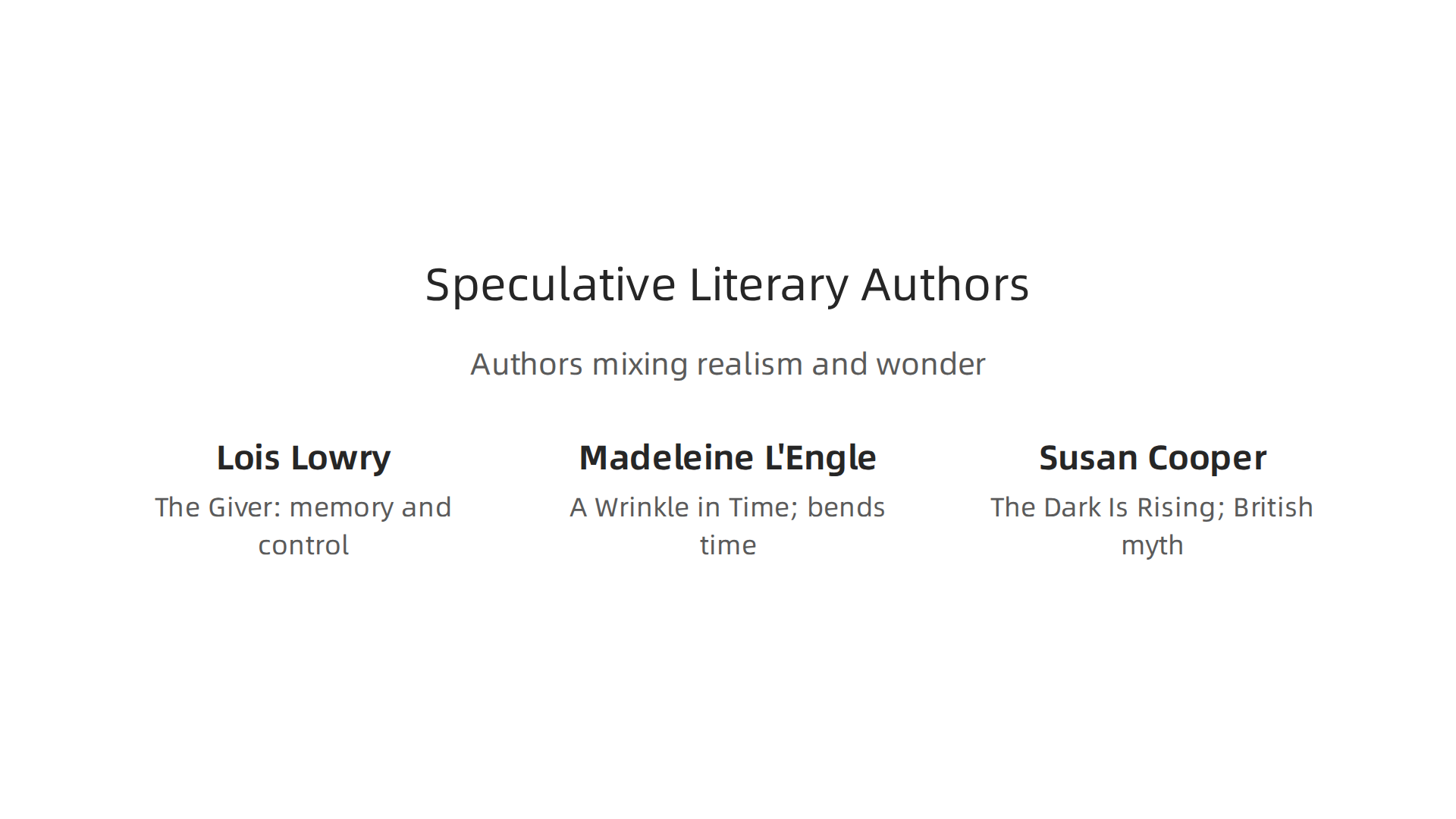
It is set in a community that seems perfect until you look closer. That is pure speculative fiction dressed in literary clothes. Then there is Madeleine L’Engle. Her book A Wrinkle in Time bends time and space while asking deep questions about love and courage. Both authors, like Paterson, earned Newbery medals for their work. They prove that the best stories do not need to pick a side between literary and genre. They can be both.
Susan Cooper is another name you should know. Her The Dark Is Rising series pulls from British mythology and feels like a fantasy epic. But her writing stays grounded in character and emotion. That balance is exactly what Paterson mastered. Goodreads shows that readers who enjoy Paterson often reach for authors like Marguerite Henry and Naomi Shihab Nye too. The thread between them is this: real feeling makes the strange parts feel true.
Here is the exciting part. Many of these authors have backlist titles that most people skip. Those older books often hide the most imaginative storytelling. If you want to dig deeper, you can explore specialized blogs that recommend hidden gems. For example, Katherine Paterson herself put together a list of recommended reads for middle grade and YA readers that includes Ghost by Jason Reynolds and The Crossover by Kwame Alexander. Those books may not look like fantasy, but they use rhythm, voice, and structure in ways that push boundaries.
If you want a more direct path to discovering crossover stories that blend realism with the fantastic, check out this guide on modern fiction for genre readers. It highlights novels that satisfy both the literary reader and the speculative fan.
The bottom line is simple. You do not have to stay inside one genre to find wonder.

Authors like Lowry, L’Engle, and Cooper prove that the speculative flavor can live anywhere. All you have to do is look past the label and open the book.
Using Paterson’s Works in Book Club Discussions
You have picked a book by Katherine Paterson for your next club meeting. That is a smart move. Her stories give your group a lot to talk about. They deal with real things like loss, identity, and the power of imagination. But here is the trick. You want the conversation to go deeper than just "I liked it" or "That part was sad."
Paterson’s books are built for this. Take Bridge to Terabithia. On the surface, it is a story about friendship. Underneath, it asks hard questions about grief, guilt, and how we cope when life changes fast. The Scholastic literature circle questions for that book help your group dig into those layers. You can find a full set of discussion prompts right from the publisher.
Another strong choice is Lyddie. This novel follows a young girl working in a mill during the Industrial Revolution. It opens up conversations about fairness, resilience, and what we owe each other. There is a dedicated book club guide for Lyddie that gives you 58 questions to work through. Your club will never run out of things to say.
Here is a great way to make your meetings even more lively. Pair one of Paterson’s books with a speculative fiction title that shares the same theme. For example, read The Giver by Lois Lowry alongside Bridge to Terabithia. Both explore what it means to feel deeply in a world that asks you not to. The contrast between a controlled society and an imaginative friendship sparks amazing debate. If your group wants more ideas like that, check out this guide on fantasy and sci-fi book club books that spark real discussion.
You can also find ready-made discussion guides from library systems and reading websites. The Davenport Library book club collection has PDF guides you can print. The Reading Rockets site even has exclusive video interviews with Paterson herself. Watching her talk about her childhood and writing process can give your group a whole new perspective on the stories.
So here is what I suggest. Pick one of Paterson’s layered novels. Find a guide that matches it. Then bring in a speculative book that touches on the same ideas. Your next book club meeting will be the one everyone remembers.
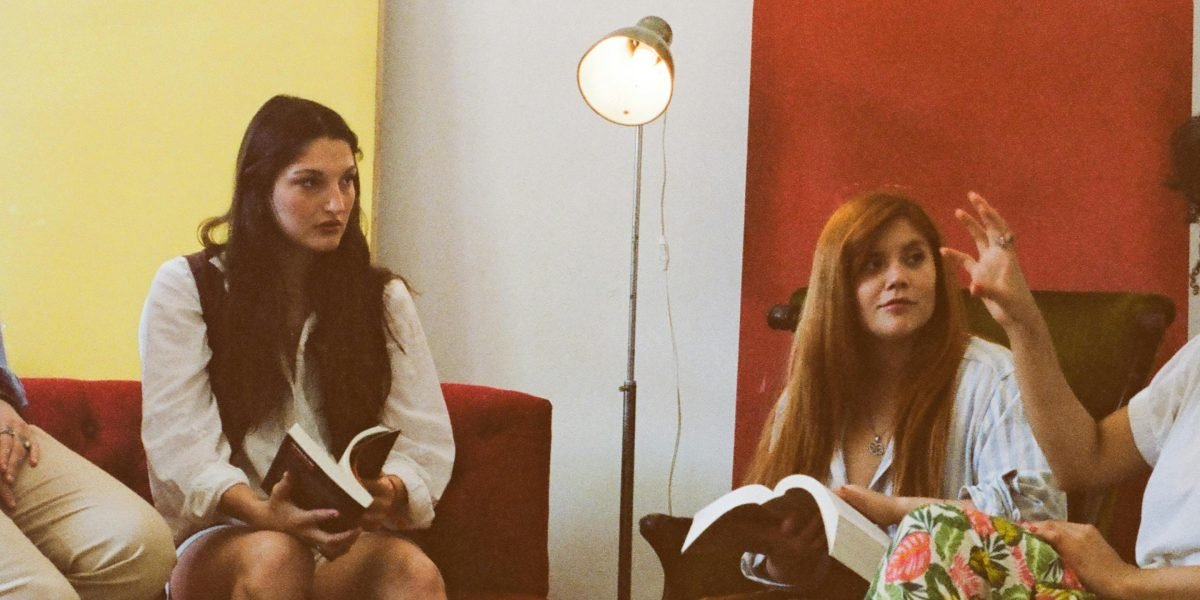
And if you want more crossover recommendations that blend real feeling with the fantastic, take a look at our list of modern fiction for genre readers. It is full of books that will fuel great conversations all year long.
Summary
This article argues that Katherine Paterson—best known for Bridge to Terabithia and other award‑winning children’s novels—belongs on the shelf of any speculative fiction reader because her stories quietly blend realism with imaginative, emotionally honest escapes. It explains Paterson’s background, major awards, and recurring themes, then shows how everyday magic, wish fulfillment, and alternate possibilities function as speculative elements in her work. The piece highlights specific books (Bridge to Terabithia, The Great Gilly Hopkins, Jacob Have I Loved), describes her influence on later writers, and gives practical ideas for using her novels in book clubs. Readers will learn why Paterson appeals to crossover fans, which titles to try first, how to pair her books with other speculative reads, and where to find similar authors who blur literary and genre boundaries.