
Why Modern Fiction Matters for Genre Readers
Do you mostly read fantasy, sci-fi, or speculative fiction? It is easy to stick with the authors and series you already know. You trust them. They deliver exactly what you want. But sometimes you might feel like you are reading the same story with different names.
Here is the thing. Some of the most groundbreaking storytelling in 2026 happens right at the edge of your favorite genres. Modern fiction borrows the tools you already love. It builds strange new worlds. It raises big moral questions. It gives you characters who feel real and broken and brave.
According to the 2026 Reader Survey, more than 30% of readers finish over 100 books a year. Readers are hungry for fresh stories. And the most popular genres for 2026 show a strong love for immersive fiction.
Yet many genre readers skip modern literary fiction. They worry it is too slow. They worry it will not grab them. But the best books modern fiction has to offer are anything but boring. They push boundaries in ways that fantasy and sci-fi fans actually crave.
I put this guide together for readers like you. I focused on good novels to read that are unusual, critically acclaimed, and perfect for anyone who loves speculative fiction. These are books that work for deep personal discovery or lively book club talks.
If you enjoy the smart thrills of Michael Crichton or the epic scope of Ken Follett, you will find crossover appeal here. Modern fiction can shake up your reading habits and lead you to new favorites.
So if you are tired of generic lists and want real good books to read that expand your imagination, this guide is your next step. Let us discover the modern fiction that breaks the mold.
The Rise of Crossover Fiction: When Genre Meets Literary Quality
Something exciting is happening in the book world. The old wall between "literary" fiction and "genre" fiction is crumbling. More and more, the best books modern fiction has to offer are blending elements from fantasy, sci-fi, and speculative storytelling with the deep character work and beautiful prose of literary novels.
We call this crossover fiction. And if you love the imaginative worlds of your favorite genres, you need to pay attention to it.
Here is why. Crossover fiction takes the tools you already love and uses them in fresh ways.
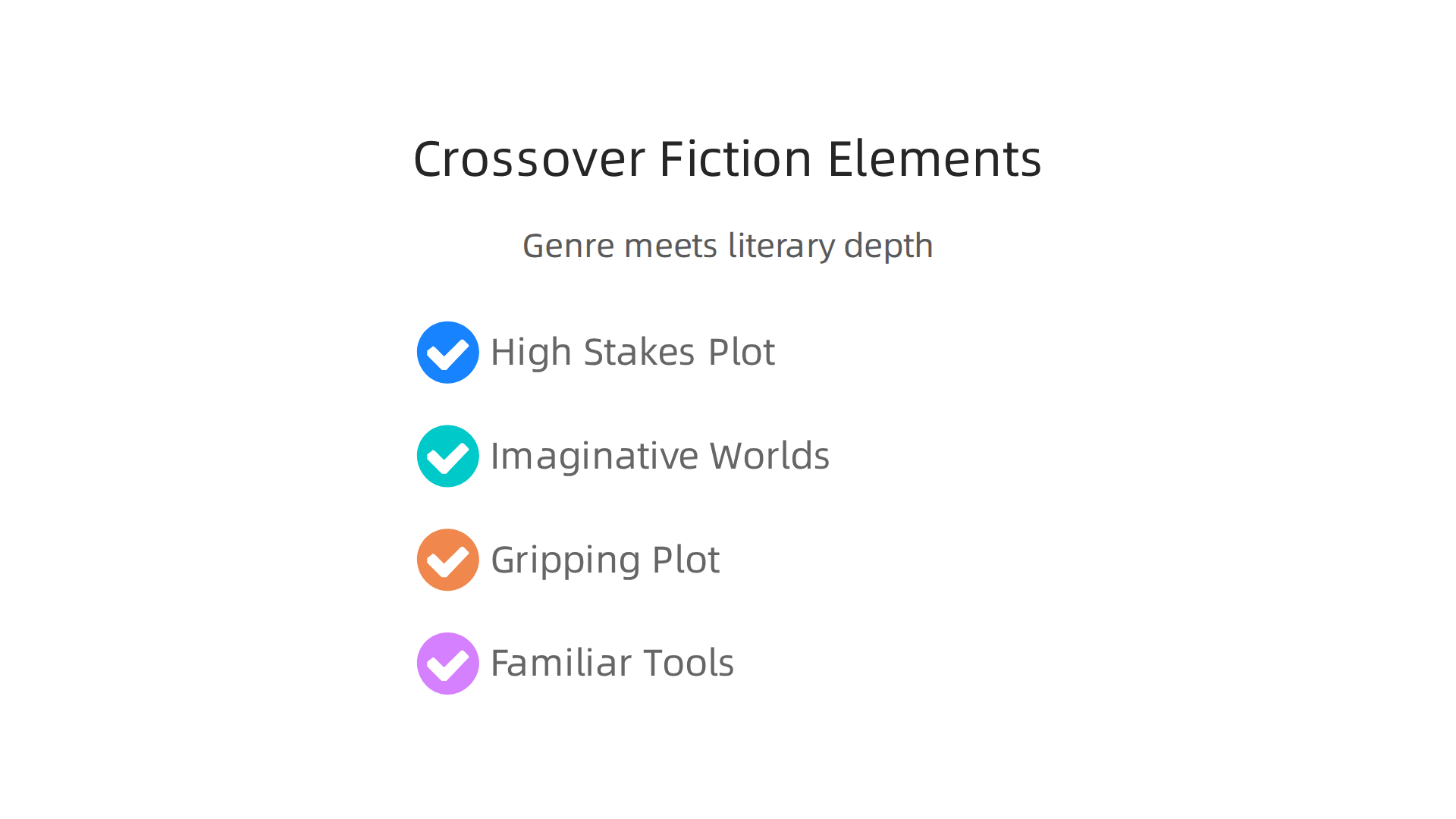
A novel might have the high stakes of a space opera but also spend time on the quiet, human moments that make a character feel real. It might build a strange new world, but that world is a mirror for our own struggles. This is not a watered down version of either style. It is a powerful new thing.
Award committees are taking notice. The Aspen Words Literary Prize, for example, honors fiction that has a real impact on the world. This means they are looking at stories that use speculative elements to tackle big moral questions in ways that feel urgent and true. This shift proves that genre tinged works can stand next to any prestige novel.
The 2026 Reader Survey shows readers are hungry for exactly this kind of story. With so many people reading more than 100 books a year, the demand for unique, boundary pushing fiction is higher than ever. You want good novels to read that feel new. Crossover fiction delivers.
Graphic novels and manga have already shown us how powerful crossover appeal can be. They bring in younger readers and mix genres freely. Literary fiction is now following that same path.
So what does this mean for you? It means you no longer have to choose between a gripping plot and deep meaning. You can have both. If you enjoy the smart thrills of Michael Crichton, you might find similar pleasures in a crossover novel that blends a scientific mystery with literary style.
These books are perfect for book clubs too. They give you so much to talk about. The worldbuilding, the themes, the character choices. They spark conversations that last long after you close the cover.
If someone told you that literary fiction was too slow or too snobby, crossover fiction proves them wrong. It invites you in with familiar tools and then shows you something you have never seen before. That is exactly the kind of reading experience most genre fans are secretly looking for.
Want to see some examples that match your specific taste? Check out our guide to books like Michael Crichton for fans of smart techno thrillers. It is a great starting point for your own crossover fiction journey.
Criteria for Selecting the Best Modern Fiction
So how do you actually separate the truly great crossover novels from the ones that just sound good on paper? With so many choices out there, you need a reliable way to find the best books modern fiction has to offer. You do not have time to waste on a dud.
We built a simple but strict rubric to make sure every recommendation we make earns its spot. This is how we find the good novels to read that really stick with you.
Our rubric focuses on four key things: originality, depth, prose quality, and how well a book resonates with genre readers like you.
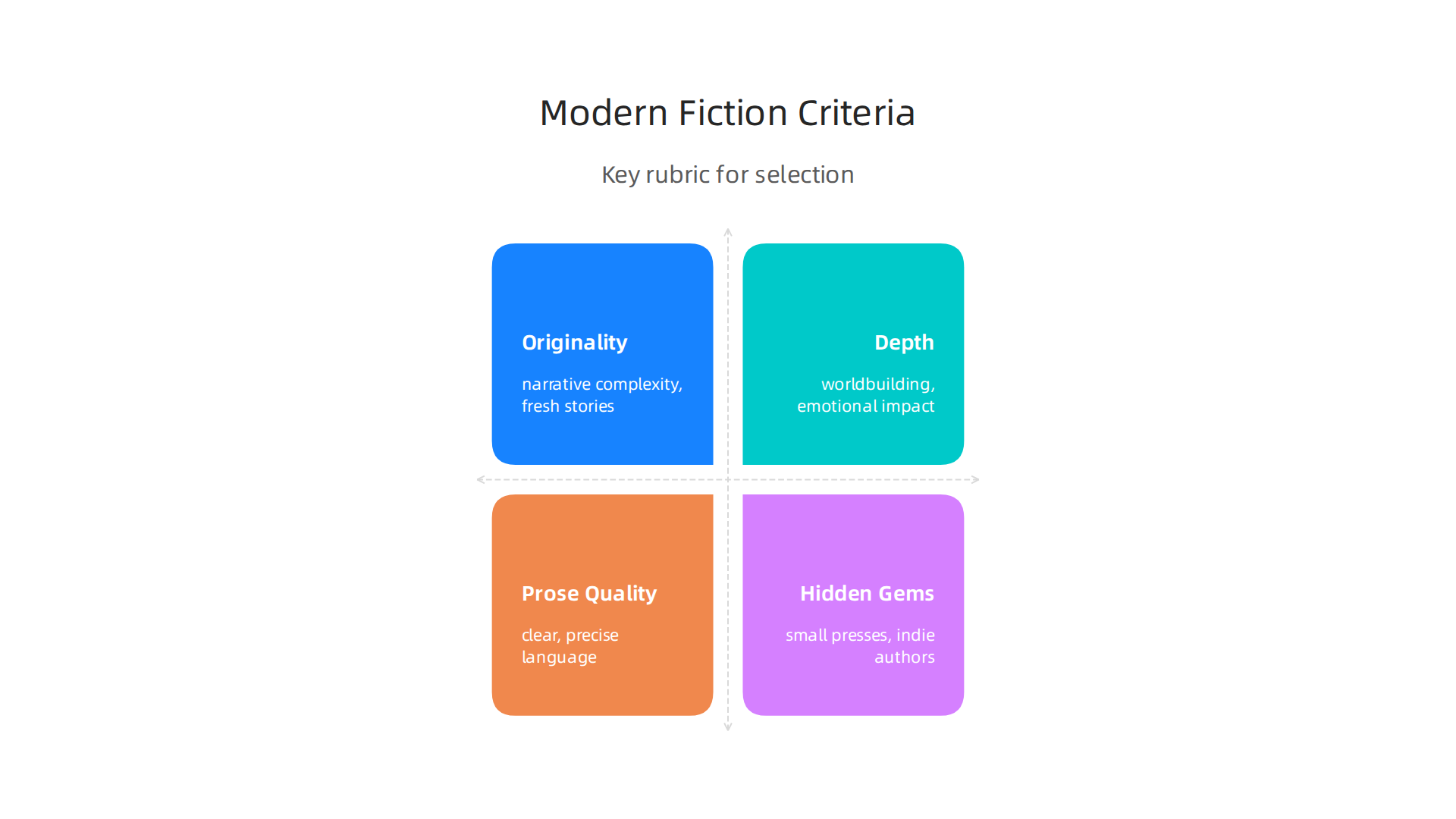
A novel can build a strange new world, but if the characters feel fake, it does not make the cut. A book can have beautiful sentences, but if the plot drags on, we leave it behind. We look for the whole package.
Originality and narrative complexity come first. The "best books modern fiction" lists are often crowded with the same big titles. We dig deeper. According to the 2026 Reader Survey, more than 30% of readers consume over 100 books a year. That is a highly engaged audience. They crave something fresh. We look for stories with narrative twists, layered timelines, or unique points of view that reward your attention.
Next, we focus on worldbuilding and emotional impact. This is where crossover fiction really shines. A great speculative novel builds a convincing new reality, but it also makes you feel something real. The 2026 State of Reading Report shows that readers are more open to exploring new genres than ever before. You are willing to try something new, but only if it connects on a human level. A cool setting is not enough. The world needs to raise the stakes. If you love a deep fantasy saga with literary weight, you might enjoy our fantasy series recommendations for your next epic adventure. That mix of epic scope and real feeling is exactly what we look for.
We also care deeply about prose quality. This does not mean the writing has to be fancy or hard to read. It means the writing is sharp, clear, and every word counts. As Reedsy points out in their guide to literary fiction, style and theme often take priority over plot in prestige fiction.
But we believe you can have both. The best books modern fiction use beautiful writing to serve the story, not to show off. When the prose clicks, you forget you are even reading.
Finally, we search for hidden gems. The biggest publishers are great, but they often play it safe. Smaller presses and independent authors are the ones taking big risks. Publishing trends in 2026 show a huge shift toward hybrid and independent author strategies. We keep a close eye on these catalogs because that is where the weird, wonderful, and unforgettable stories often live. Books with huge crossover appeal, like the kind found in our picks for fans of The Hunger Games, often come from unexpected places.
This rubric helps us recommend books that are not just popular, but genuinely great. Whether you want a mind bending sci-fi thriller or a quiet character study set in a magical world, you can trust that it earned its place here.
Top 5 Modern Literary Novels with Speculative Elements
Now that you know the rubric, it is time to put it to work. Here are five novels that check every box: originality, depth, prose quality, and a strong emotional pull. These are not just good books to read. They are the kind of stories that remind you why you love reading in the first place.
1. "Rakesfall" by Vajra Chandrasekera
This novel won the 2025 Ursula K. Le Guin Prize for Fiction, a major honor in literary speculative fiction. The story leaps between timelines and realities, mixing ancient myth with near-future speculation. Genre fans will love the wild worldbuilding and the literary depth that makes every word matter. It is a perfect example of the best books modern fiction can offer when authors take big risks. If you want a novel that makes you think and feel at the same time, start here.
2. "The Ministry of Time" by Kaliane Bradley
A 2025 Hugo Award finalist listed by Bookshop.org, this book puts a fresh spin on time travel. A British civil servant from the 1800s is pulled into the 21st century. The writing is sharp and funny, and the speculative twist never overpowers the human story. It is a true crossover hit for readers who want literary fiction with a clever sci-fi hook.
3. "Annie Bot" by Sierra Greer
Listed among the award-winning sci-fi novels of 2025 by Five Books, this near-future story follows an AI companion who begins to question her own existence. The prose is tight, the tension builds slowly, and the emotional payoff is huge. It is a character study that uses its speculative setting to ask big questions about identity and love. Genre fans looking for good novels to read with real depth will love this one.
4. "The Tainted Cup" by Robert Jackson Bennett
Another Hugo finalist, this book blends a locked-room mystery with a fantasy world full of living trees and bioengineered humans. The plot is clever, the worldbuilding is fresh, and the writing never wastes a sentence. It proves that a gripping mystery and a deep fantasy setting can live in the same book. If you enjoy smart puzzles wrapped in rich worldbuilding, this is for you.
5. "Hammajang Luck" by Makana Yamamoto
Named one of the best speculative fiction books of 2025 by MetaStellar, this crime novel is set in a futuristic Hawaii where climate change and corporate greed shape every move. It follows a ragtag heist crew that feels like outsiders in their own world. The voice is vibrant, the stakes are personal, and the speculative elements feel urgent and real. It is a great reminder that the best stories often come from unexpected places.
Each of these books shows why the best books modern fiction often live at the edges of genre. They take risks, break rules, and reward your time. For more epic adventures that mix genres, check out our fantasy series recommendations. These five picks will keep your reading list fresh for months.
Hidden Gems: Underrated Modern Fiction from Diverse Voices
The five books we just covered are a great starting point. But if you really want to explore the best books modern fiction has to offer, you need to look beyond the big publishers. Some of the most original and exciting writing in 2026 comes from small presses and debut authors. These hidden gems often take bigger risks and bring voices you rarely see on bestseller lists.
Publishing is changing fast. In 2026, many authors are choosing hybrid and independent paths to get their stories out. That shift opens the door for writers from underrepresented backgrounds. Back in 2014, only 8 percent of children’s books in the US were written by authors of color. That number is growing, and the results are fantastic. These authors often mix their own cultural experiences with fresh twists on fantasy, sci-fi, and literary fiction.

They subvert the usual genre rules. Instead of the same old chosen one or locked room mystery, you get a heist story set in a futuristic indigenous community, or an epic fantasy told through a queer, post colonial lens. That is exactly the kind of originality that makes good novels to read truly unforgettable.
So how do you find these books before everyone else does? Here are three simple ways:
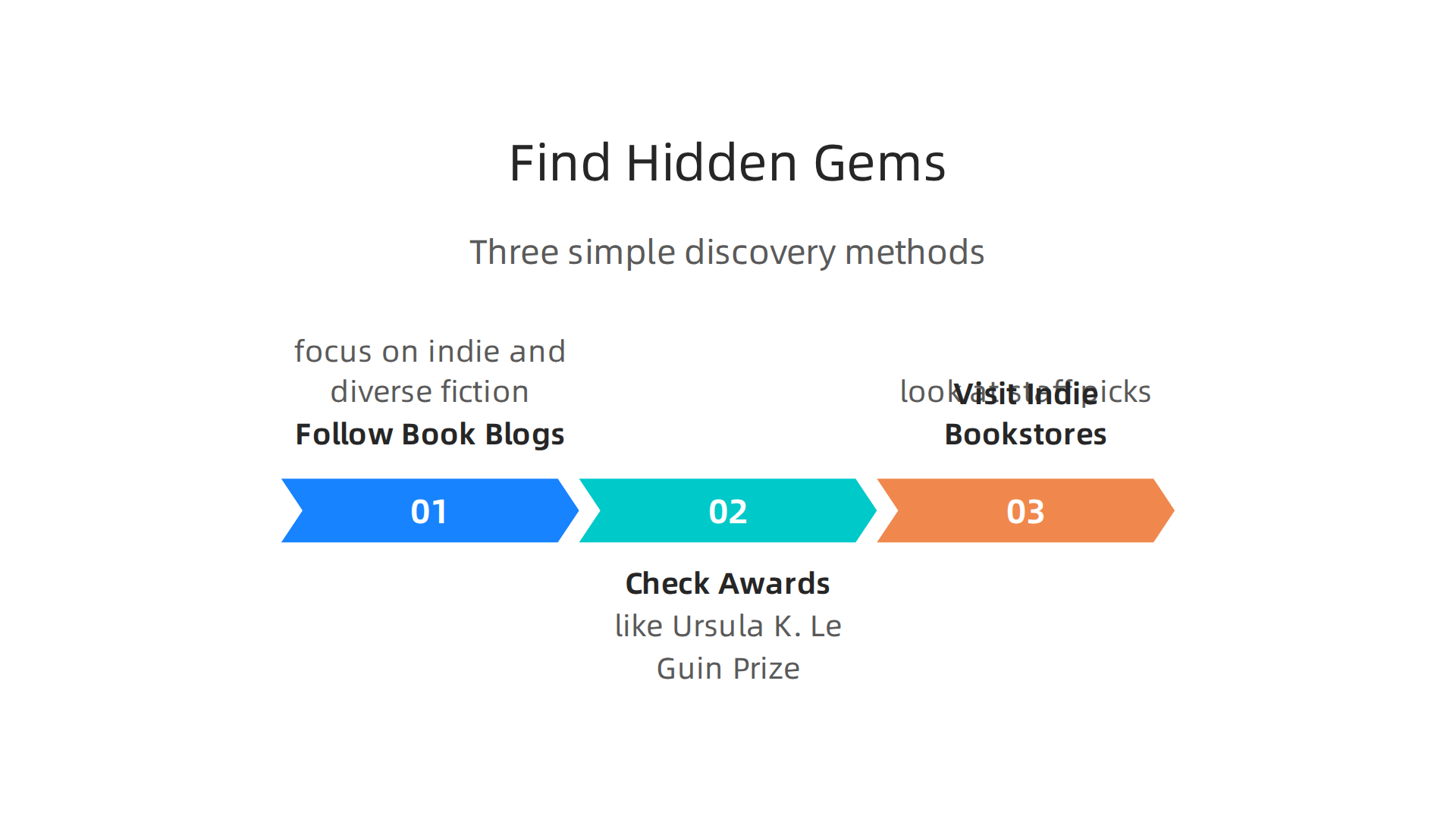
- Follow book blogs that focus on indie and diverse fiction. Smaller sites often review titles months before the big outlets catch on.
- Pay attention to literary awards outside the mainstream. Prizes like the Ursula K. Le Guin Prize and the Otherwise Award are designed to spotlight risky, boundary pushing work.
- Visit independent bookstores and look at their staff picks. Local booksellers often champion hidden gems from small presses that algorithms miss.
The trend is real. The 2026 State of Reading Report found that 80 percent of readers tried a new genre that year. People are hungry for stories they have not read a dozen times before. If you love novels where characters feel like outsiders in their own world, you will find a goldmine in these independent releases. Check out our fantasy series recommendations for more epic adventures that break the mold. These hidden gems are the good books to read for anyone ready to move past the same old names and discover something truly new.
Now that you know where to find hidden gems, the next step is picking the right novels for your book club. The best modern fiction thrives on big conversations. These are the books that get your whole group talking long after the meeting ends.
Book Club Favorites: Discussion-Worthy Modern Novels
A great book club pick does more than entertain. It makes you think about society, identity, and what it means to be human.

In 2026, some of the best books modern fiction has to offer are designed for exactly that kind of conversation. Titles like The Correspondent by Virginia Evans and Yesteryear by Caro Claire Burke have been topping book club lists because they tackle complex moral questions with gripping storytelling [1][2].

So how do you choose a title that works for everyone in your group? Start with these three tips.
First, look for layered characters. The good novels to read for a club are the ones where each member sees something different in the protagonist. Second, pick a book that touches on a universal theme like family secrets, justice, or belonging. That way, even readers with opposite tastes have something to debate. Third, always check if a discussion guide or author interview is available. Many publishers now release these alongside new releases [3]. They save you time and give you ready made questions if your group gets stuck.
The landscape in 2026 offers plenty of variety. The New York Times mid year list includes Kin by Tayari Jones and This is Where the Serpent Lives by Daniyal Mueenuddin [4]. Both novels dig into family dynamics and cultural expectations in ways that spark heated but productive discussions.
For groups that love a mix of fantasy and real world issues, check out our guide to Kristin Hannah books for more emotionally gripping recommendations. Those novels are perfect for readers who want high stakes along with deep character work. And if your club leans toward speculative fiction, the good books to read on the 2026 summer lists are already generating buzz. Stories like Off Menu and Bury Our Bones in the Midnight Soil show how genre fiction can challenge our assumptions about identity and power [5].
Remember, the goal is not to please everyone every month. It is to find books that surprise your group and open up new conversations. Start with one of these titles and see where the discussion takes you.
[1] https://bookclubchat.com/books/must-read-book-club-books-for-2026/
[2] https://bookclubs.com/best-book-club-books/this-month
[3] https://www.penguinrandomhouse.com/the-read-down/book-club-coming-soon/
[4] https://www.youtube.com/watch?v=rhZMrv-PlQM
[5] https://sccl.bibliocommons.com/v2/list/display/2555719579/2815255797
How to Build Your Own Modern Fiction Reading List
Building your own list of the best books modern fiction has to offer doesn’t have to be hard. It’s actually a fun way to discover new voices and surprise your book club. Here’s a simple process that works in 2026.
Start with trusted sources. Look at award shortlists and critic roundups first. The New York Times mid year list is a great starting point, with titles like Kin by Tayari Jones and This is Where the Serpent Lives [4]. You can also check what book clubs like Katie Couric’s are reading, because those picks are already tested for discussion value [1]. Combine multiple sources so you get a balanced view.
Follow critics and publishers on social media. Many authors and editors post their personal favorites. Publishers like Penguin Random House share seasonal lists, like their summer 2026 book club guide, which includes fresh novels that spark great conversations [3]. These posts often highlight good novels to read that don’t make the bestseller lists.
Use library apps and curated lists. Apps like Libby and Hoopla let you browse readalikes and themed collections.
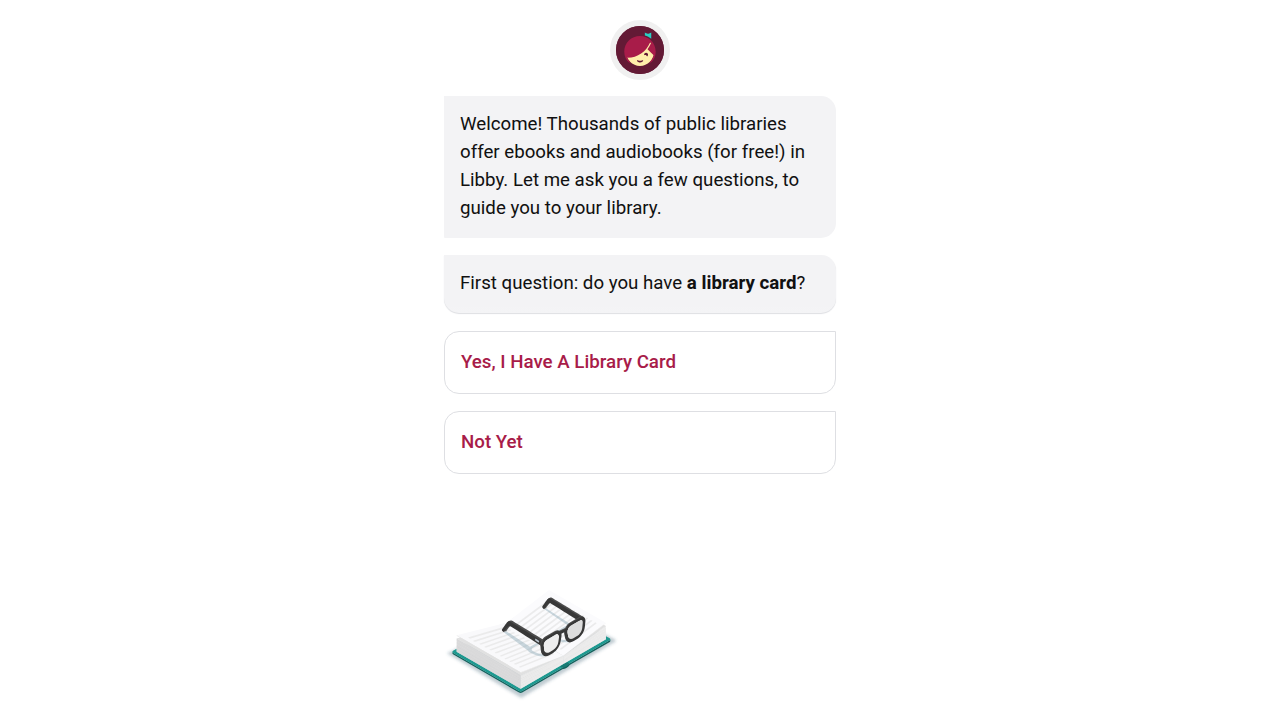
For example, the Santa Clara County Library has a community created list of 2026 book club options that includes Off Menu and Bury Our Bones in the Midnight Soil [5]. These lists mix big names with hidden gems.
Combine award shortlists with reader reviews. Cross reference what critics love with what actual readers are buzzing about. BookClubs.com publishes monthly rankings, like their May 2026 list featuring Yesteryear and The Correspondent [2]. This helps you balance critical acclaim with crowd pleasing appeal.
Finally, balance bestsellers and hidden gems. If your group loves genre bending stories, check out our guide to speculative fiction collections that match your taste. That’s one way to keep your list fresh and full of surprises. Use all these steps together, and you’ll always have plenty of good books to read lined up for your next meeting.
Summary
This article explains why modern literary fiction matters to readers who mainly enjoy fantasy, science fiction, or speculative stories, arguing that the most exciting work today sits at the boundary between genres. It defines crossover fiction and shows how novels that blend imaginative worldbuilding with strong character work and sharp prose can give genre fans both plot-driven thrills and emotional depth. The piece describes a clear rubric—originality, narrative complexity, worldbuilding plus emotional stakes, prose quality, and discovery of small-press gems—that the author uses to pick recommendations. You’ll find five specific modern novels with speculative elements that exemplify the approach, plus tips for finding underrated diverse voices and how to choose book-club friendly titles. The guide also shows practical ways to build a balanced reading list using award shortlists, critics, library apps, and indie bookstores. After reading, you’ll know where to look for crossover gems, how to judge them quickly, and which titles or strategies will expand your reading without sacrificing the things you already love about genre fiction.