

Introduction: Why Lois Lowry Belongs on Every Speculative Fiction Reader’s Radar
Have you ever felt stuck in a reading rut, bouncing between the same dystopian epics and space operas? You know the ones. They follow the formula. The hero rises. The system falls. The ending ties up neat and tidy.
That gets old fast.
Here is the thing. Some writers refuse to stay in one box. Lois Lowry is one of them. Her novels slide between dystopian, sci-fi, and fantasy with such ease that you forget genres even exist. She won the Newbery Medal twice, once for Number the Stars and again for The Giver, making her one of the most decorated voices in modern literature. The Britannica biography notes that by the early 1990s she had already cemented her reputation with those two awards alone.
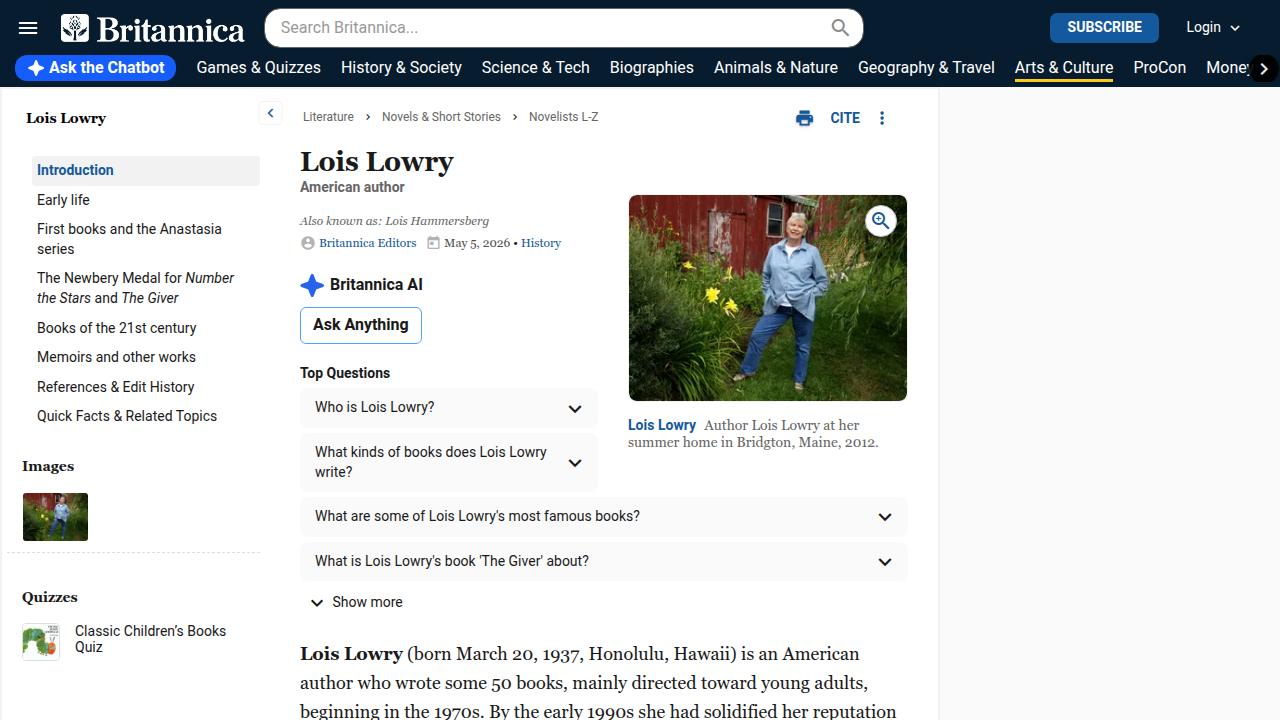
You probably know The Giver already. It is the book that made generations question what a perfect world actually costs. But did you know it is only the first volume in a quartet that keeps asking harder questions about memory, emotion, and control with every installment? That kind of layered thinking makes Lowry a goldmine for book clubs that want real arguments at the table.
If you are someone who loves the strange corners of speculative fiction, if you have chased unusual reads like The Long Walk Book or revisited the Slaughterhouse 5 Book Review to understand what makes a classic weird and wonderful, then Lowry belongs on your radar.

She writes for young audiences but talks about things that never stop mattering.
So let us move past the mainstream bestseller lists. Let us dig into both her celebrated series and her lesser known, unusual novels that offer fresh perspectives on old questions.
If you are hungry for even more fresh, offbeat speculative fiction after this, look for a new series that blends sci-fi comedy with big weird ideas.
Who Is Lois Lowry? A Brief Biography
Most writers pick one neighborhood and stick to it. Lois Lowry grew up in dozens. Her father was a U.S. Army dentist, so the family moved constantly when she was a kid. Alaska. New York. Hawaii. Japan. That constant shifting taught her something most people never learn: how to watch people in different worlds and remember the details.
Actually, it makes perfect sense that she became a photographer before she became a writer. Her official biography notes that she worked as a freelance photographer for a while, and you can see that observational eye on every page she writes.

She notices the small things. The way a hand trembles. The color of regret. That photographer’s instinct gives her speculative fiction an unusual warmth we don’t always get from big ideas about conformist societies.
Lowry won the Newbery Medal twice, a feat that only a handful of authors have ever matched. First came Number the Stars in 1990, a historical novel about a Danish girl helping her Jewish best friend escape the Nazis. Then came The Giver in 1993, a book that reinvented what dystopian fiction could be. Her Newbery Medal page confirms both wins, along with the Margaret A. Edwards Award for lifetime contribution to young adult literature.

The EBMA biography calls The Giver a radical departure from her earlier work, and it really was.
Here is the thing about Lowry. She never shied away from hard topics. Euthanasia. Forced conformity. The price of safety. The cost of being different. Because of that, her books routinely land on challenged-book lists. For fans of speculative fiction like us, that is almost a badge of honor. It means she shook something loose in the room.
Her willingness to ask uncomfortable questions is exactly why her work fits so well in a thoughtful book club discussion. She gives readers room to argue with each other.
If you are ready to move past the same old dystopian formulas, Lowry is your gateway into fiction that actually dares to think. And if that sounds like your kind of adventure, start the series where identity, reality, and comedy collide.
The Giver Quartet: A Deep Dive into a Genre-Bending Masterpiece
Most people stop after reading The Giver. They get to that famous ending, close the book, and sit in silence. That is fine. The Giver works perfectly as a standalone story. But Lois Lowry did not stop there. She built an entire world across four books, and each one asks a different question about what it means to be human.
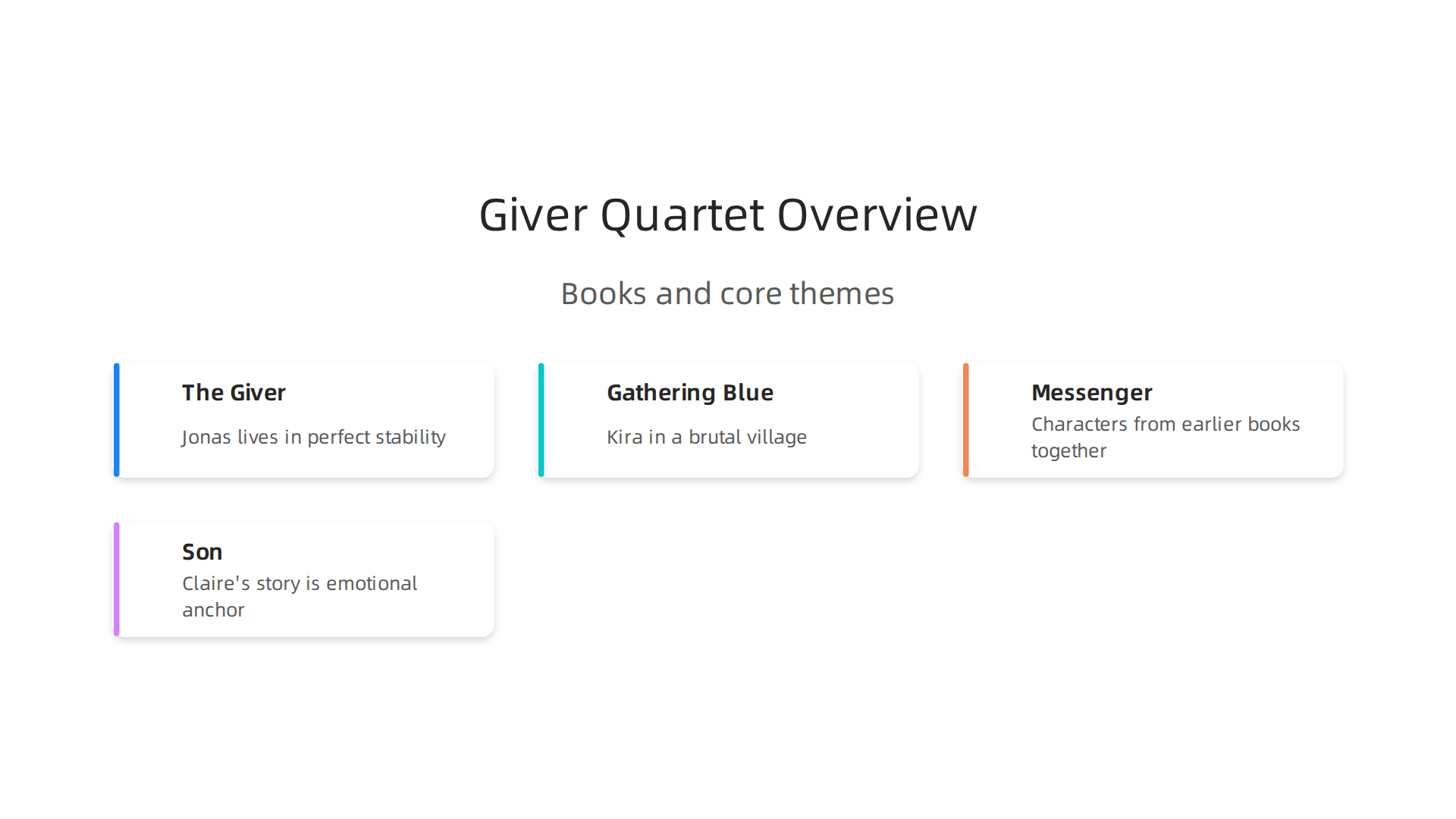
The quartet starts with The Giver (1993). Jonas lives in a community that traded pain, color, and choice for perfect stability.
It looks like paradise at first. But as The Independent explains, Lowry presents a world where war, poverty, and suffering have been eliminated along with something essential.
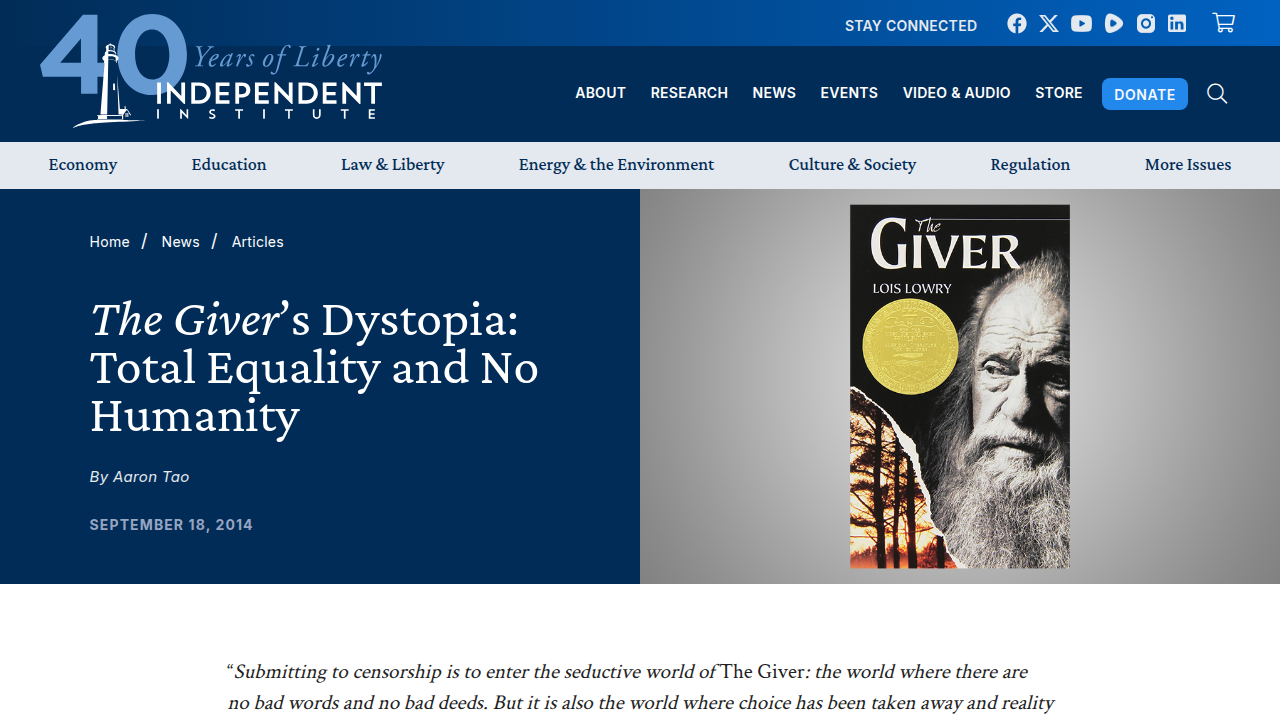
Love. Memory. Individuality.
Then things get interesting. Gathering Blue (2000) introduces Kira, a girl in a brutal village where weakness means death. Messenger (2004) brings characters from both earlier books together. And Son (2012) gives us Claire, a minor character from The Giver whose story becomes the emotional anchor of the whole series. The Lorehaven review calls it a comparison between dystopian control and human purpose. That is the perfect way to describe what Lowry is doing.
Here is what makes the quartet special. Each book has a different protagonist and setting. Jonas lives in a sterile, emotionless community. Kira survives in a violent, superstitious village. The characters in Village are building something new. By jumping between these worlds, Lowry shows us that the cost of harmony looks different depending on where you stand. Critics at LitReaderNotes describe Lowry’s narrative as direct, clear, and biting. She does not tell you what to think. She shows you the pieces and lets you put them together.
Because of that structure, the quartet works well for group reading. Each book gives you enough to argue about. Should a society erase pain if it also erases love? Is it okay to sacrifice freedom for safety? These are not easy questions, and that is exactly why The Giver remains a classroom staple and a favorite for book clubs looking for real discussion. If you want to dig deeper into the themes of the first book, our guide to The Giver Book Themes walks through memory, freedom, and the dystopian legacy Lowry created.
One thing I have noticed reading the quartet as an adult is how much more I get out of it. The College of Charleston article lists six ways The Giver hits differently when you are older. You start to see the political edges. You notice the religious imagery. You understand why a community might actually choose sameness if the alternative is chaos.
The Wikipedia page notes that scholars have analyzed the book through lenses of memory, religion, color, eugenics, and utopia. That is a lot of weight for a young adult novel, but Lowry carries it effortlessly. She trusted young readers with hard ideas, and that trust is part of why her books have lasted.
If the heavy themes of the quartet leave you wanting something lighter, grab a funny sci-fi read for a palate cleanser. Sometimes you need a break from questions about the soul.
Beyond The Giver: Exploring Lowry’s Lesser-Known Sci-Fi & Fantasy Works
Here is the thing about lois lowry books. Most people only know The Giver. They assume she only writes heavy dystopian stories. But Lowry has written over 50 books across many genres, and some of her most creative work has nothing to do with sameness or release.
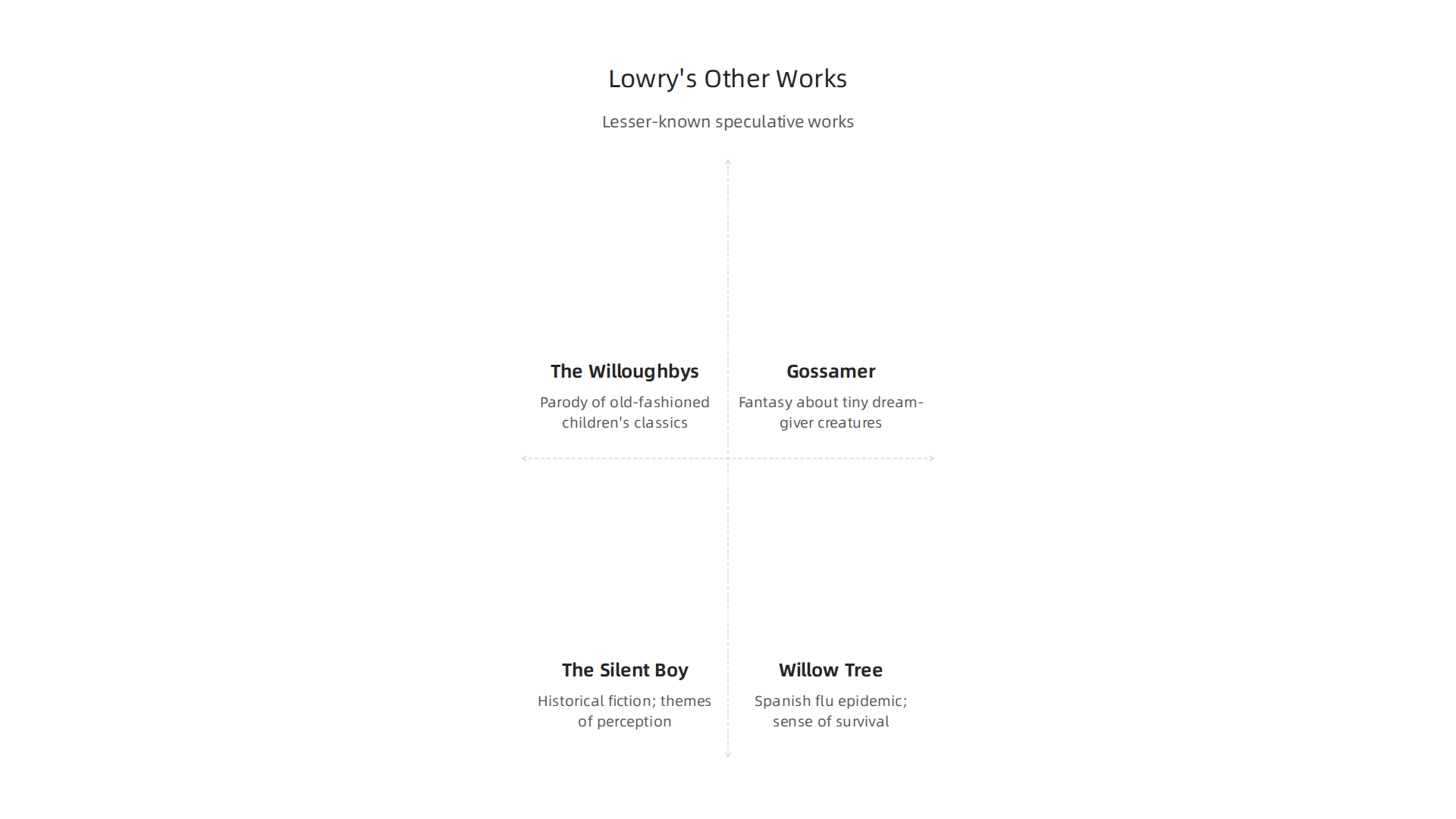
Take The Willoughbys. This book is a straight-up parody of old-fashioned children’s classics like The Secret Garden and Anne of Green Gables. It is funny, sarcastic, and completely absurd. The Willoughby children try to get rid of their terrible parents by sending them on a dangerous trip. Lowry is playing with tropes here, not building a dystopia. If you want a laugh, this is the book.
Then there is Gossamer. This one is a fantasy about tiny creatures called “dream-givers” who shape human dreams at night. They collect fragments of memories and weave them into peaceful visions. But a dark creature called a Sinisteed tries to plant nightmares. As the BookBrowse review puts it, the story is as haunting as a dream. This is perfect for readers who want something softer than The Giver but still thoughtful.
Lowry also wrote historical fiction with speculative edges. The Silent Boy tells the story of a young girl and a mute boy in the early 1900s. It is quiet and emotional, but it touches on themes of perception and reality that fantasy readers will recognize. Like the Willow Tree takes place during the Spanish flu epidemic of 1918 and follows two orphaned siblings living with Shakers. The setting is historical, but the emotional weight and sense of survival feels connected to speculative fiction.
Reading Rockets points out that Lowry’s books range from light-hearted to serious. That range is what makes her so interesting. You can go from a silly parody to a tender fantasy to a historical drama without leaving her name.
If you enjoy finding hidden gems, check out our guide to popular 21st century novels for more overlooked titles. And if you want a funny break after all this exploration, grab a ridiculous comedy sci-fi read for a palate cleanser. Lowry would probably approve.
Lowry’s Unique Narrative Voice: Why Her Stories Resonate with Genre Fans
If you usually read epic fantasy with huge maps and thousand-page world-building, Lois Lowry might not be the first name you think of. But here is what makes her special: she does not need all that space. Her prose is spare and poetic. Every word earns its place. Britannica notes that she has won two Newbery Medals and built a reputation on quiet, powerful storytelling. That is a different kind of magic.
Genre fans often get lost in dense descriptions of magic systems and political histories. Lowry gives you a break. She trusts you to fill in the gaps. Her stories leave questions unanswered on purpose. Why does Jonas see color? What happens after the sled ride? She never tells you directly. That ambiguity makes her books perfect for discussion groups. If your book club loves debating meaning, start with The Giver or Gossamer.

You can find more titles that spark real conversation on our guide to fantasy and sci-fi book club books.
The ethical dilemmas in Lowry’s work also feel timeless. Characters face hard choices about memory, control, and sacrifice. These are not just kid problems. Adult readers find depth here too. Number the Stars asks what you would risk to save someone. The Giver asks if a peaceful world is worth losing your feelings. These questions stick with you long after you close the book.
That is why Lowry’s storytelling resonates across genres. She offers a refreshing change from heavy world-building. She leaves room for reflection. And she proves that small books can hold big ideas.
If you are ready for something fresh, check out a series that blends sci-fi comedy with heart and weird ideas. The Ridiculous might be exactly what you need after all that deep thought. Lowry would probably encourage the laugh.
The Impact of The Giver on Young Adult Dystopian Fiction
You might not realize it, but The Giver basically started the whole YA dystopian trend. Before Katniss ever pulled a bowstring, before Tris chose a faction, there was Jonas. And his world was chilling in a quiet way.
Here is the timeline. The Giver came out in 1993. The Hunger Games did not arrive until 2008. That is a fifteen year head start. Lowry did not just write another dystopian story. She built the blueprint that later authors would follow.
So what made it so influential? Let us break it down.
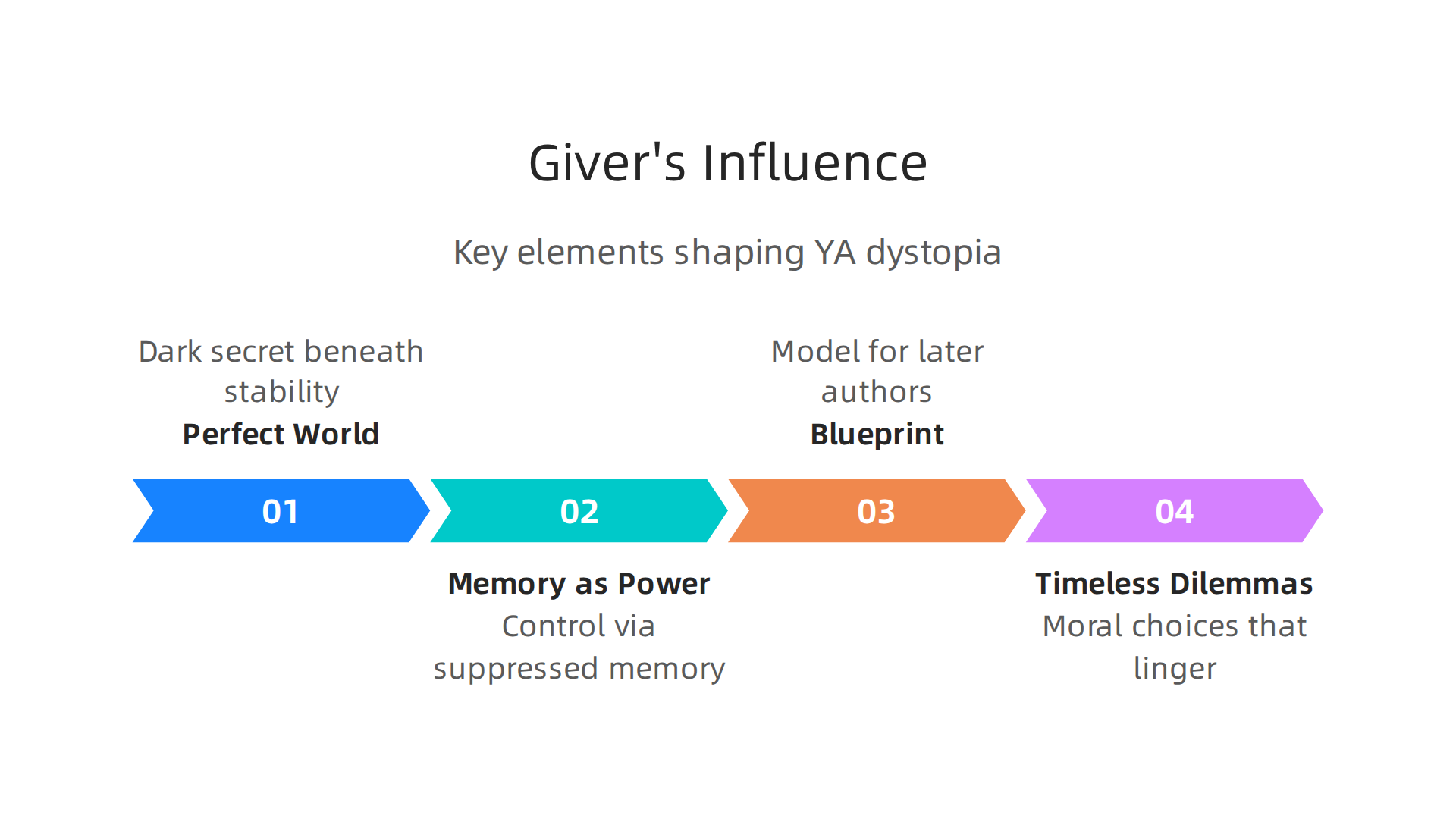
The "perfect" world with a dark secret
The Giver shows a community without pain, conflict, or strong emotions. At first glance, it looks like a utopia. Everyone follows the rules. Everyone is "happy." But underneath, the cost is huge. People give up memory, color, and real feeling for safety. This idea, a society that looks perfect on the surface but controls everything underneath, became the go to setup for a whole generation of young adult novels.
Think about it. The Capitol in The Hunger Games keeps districts in line through fear and spectacle. The factions in Divergent control how people live and think. The Bureau in The Maze Runner erases memory to manage the population. All of them owe something to the quiet, chilling world Lowry created.
As one analysis notes, Lowry presents a society that has eliminated war, poverty, and suffering. But the trade off is humanity itself.
Memory as power
Here is the really clever part. In The Giver, the community controls people by controlling what they remember. The Giver holds all the memories of the past, both good and bad. This makes him the most powerful person in the community. But it also makes him the loneliest.
This idea, that controlling memory equals controlling people, shows up again and again in later dystopian works. It is a theme that academics have studied for years, looking at how these stories help us understand historical consciousness and government control.
Why this still matters in 2026
If you are a fan of dystopian fiction, you have probably read The Giver already. But reading it as an adult hits differently. You notice the weight of the choices. You see the subtle warning about sameness and safety.
Want to explore the full scope of Lowry’s dystopian world? Our guide on The Giver book themes, memory, freedom, and dystopian legacy goes deeper into the ideas that made this book a classic.
And if you are looking for something that mixes dystopian vibes with a lighter touch, why not try a story that asks big questions without the heaviness? A fast, absurd adventure for readers who want fiction with wit. Add a Funny Sci-Fi Read. It might be exactly what you need after spending so much time in Jonas’s colorless world.
Discovering Unusual Novels: How Lowry’s Works Fit Into a Curated Reading List
So you have seen how The Giver shaped a whole genre. But here is the thing about lois lowry books. She is not a one trick pony. The woman has written over 50 books across multiple age groups and genres. That is a huge range. According to her official bibliography, she has six different series and dozens of standalone novels.
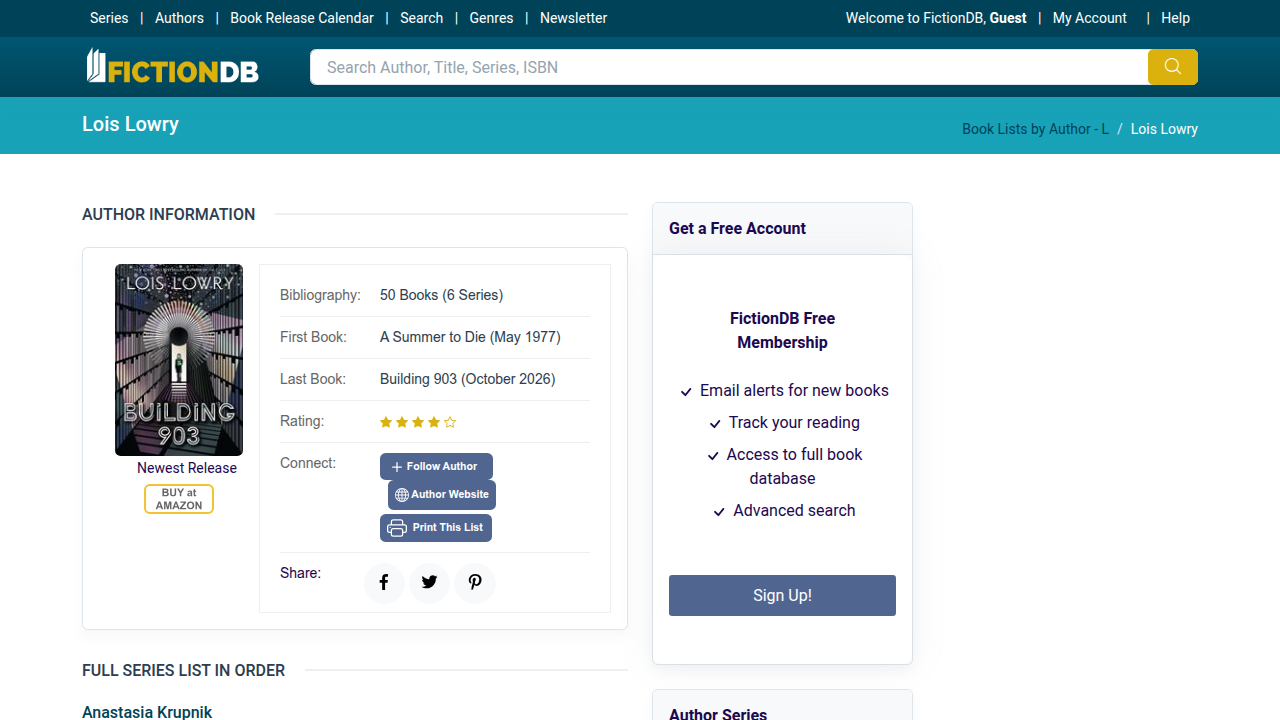
Some are light and funny. Others are heavy and thought provoking.
This versatility makes Lowry a perfect fit for any curated reading list. Why? Because she acts as a bridge.

Gateway speculative fiction
A lot of readers think sci-fi or fantasy is not for them. They stick to realistic fiction. But Lowry sneaks in under the radar. Her books tackle real human problems using speculative elements. Take Gossamer, for example. It is a gentle story about dreams and nightmares aimed at younger readers. One review noted it is perfect for readers not quite ready for The Giver. That makes it a gateway. You start with Gossamer. Then you move to The Giver. Next thing you know, you are picking up Slaughterhouse 5 or Babel or even The Long Walk. Lowry opens the door without scaring anyone off.
Book club gold
If you run a book club, you know the struggle. Finding a book that everyone can agree on is hard. Lowry solves that. Her books have won major awards. They have deep moral questions. And there are tons of discussion guides already out there ready to use.
Want a list of more titles that spark real debate? Check out our guide on fantasy and sci-fi book club books that spark real discussion. It will help you build a reading list your group will love.
Final take
In 2026, building a smart reading list means finding authors who cross boundaries. Lowry does that naturally. She writes for kids, teens, and adults. She blends genres. She makes big ideas feel personal. Whether you are new to speculative fiction or a longtime fan, her books belong on your shelf.
If you are ready to try something fresh and funny after all that dystopian weight, check out a series that mixes sci-fi comedy with real heart. Looking for a Fresh Series?
Book Club Guide: Discussing Lois Lowry’s Thought-Provoking Themes
You already know Lowry’s books are perfect for book clubs. But why exactly? Because her stories force you to ask hard questions.
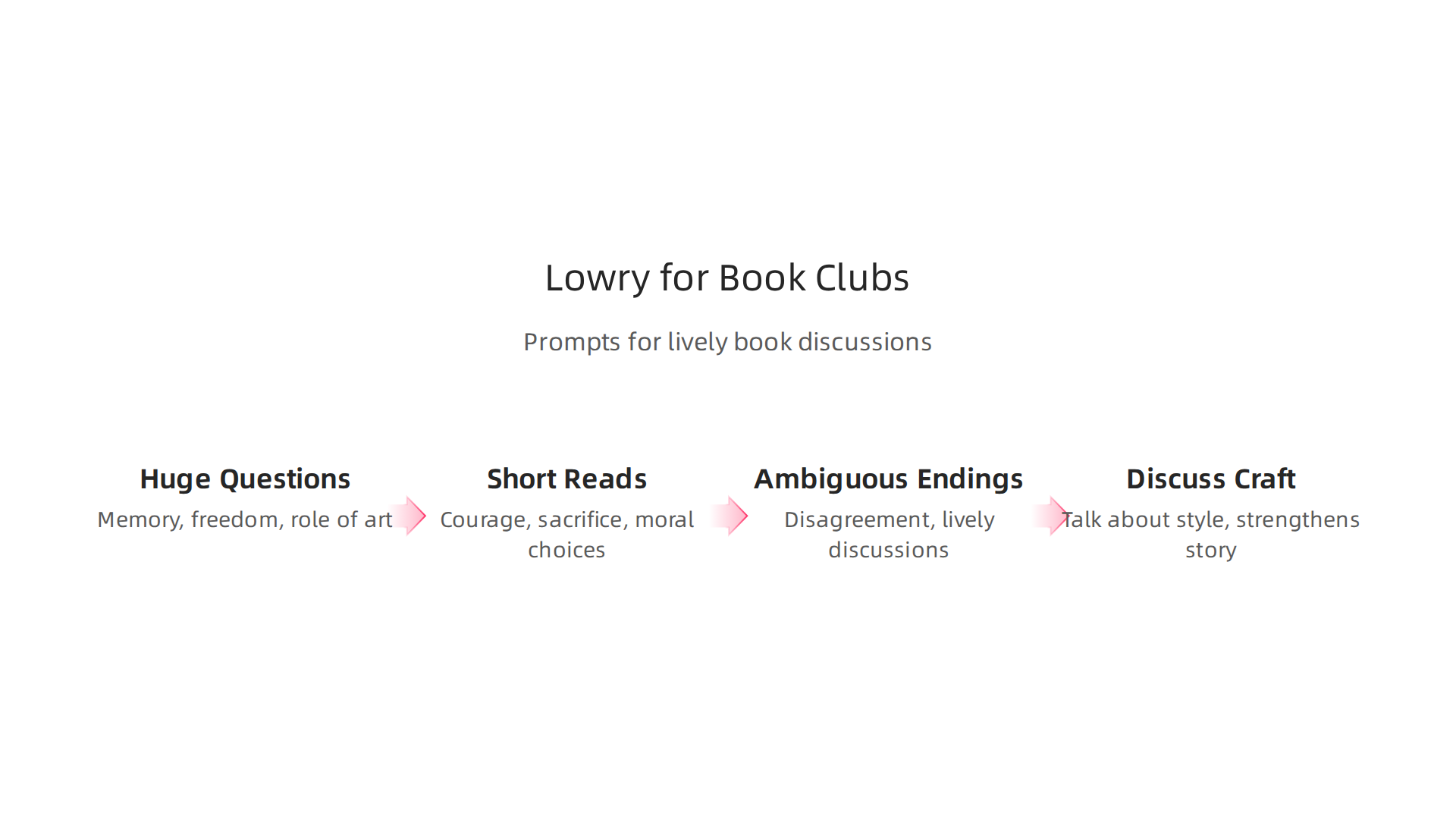
And that is what a great discussion needs.
Start with The Giver Quartet
This series raises huge questions about memory, freedom, and the role of art. When your group meets, you can dig into topics like what it means to be human without pain. Why does the community in The Giver choose Sameness? Is it better to have no choices if that means no suffering? One discussion guide offers great questions about family structure in the book. Another asks whether the community is a utopia or a dystopia. Those are the kinds of debates that keep a room alive.
You might also explore the relationship between Jonas and the Giver. What does the Giver’s job really cost him? A mother/son book club shared questions about the Ceremony of Twelve and the meaning of “releasing.” Simple starters that lead deep.
Short reads for tight schedules
Not every group has weeks to finish a book. That is where Number the Stars shines. It is a fast read based on real history. But it still tackles courage, sacrifice, and moral choices. Your group can finish it in one or two sessions. No excuses.
If you want more books that spark real debate without a huge time commitment, check out our guide on fantasy and sci-fi book club books that spark real discussion. It is packed with ideas your group will actually want to talk about.
Ambiguous endings keep things lively
Lowry loves open endings. The Giver ends on a moment of uncertainty. Did Jonas survive? Was it all real? That ambiguity is gold for a book club. Instead of everyone nodding along, you get disagreement. Some readers see hope. Others see tragedy. One discussion thread on Goodreads shows readers still debating this decades later. That is the sign of a book worth discussing.
Son, the final book in the quartet, also leaves room for interpretation. LitLovers offers discussion questions that help groups explore closure and sacrifice.
A final tip for your group
Bring a question about Lowry’s style. Why does she leave things unsaid? How does that make the story stronger? Groups that talk about craft, not just plot, have richer conversations.
If you want a lighter, funny read after all that heavy debate, try something fresh. Add a Funny Sci-Fi Read that mixes wit with wonder. It is the perfect palate cleanser.
Summary
This article explains why Lois Lowry is essential reading for fans of speculative fiction, tracing her career from a peripatetic childhood to a two-time Newbery Medal winner. It dives into The Giver quartet—how each book shifts perspective to explore memory, emotion, and societal control—and explains why those books spark lasting debate. The piece also highlights Lowry’s wider range, from the dark questions of Number the Stars to lighter works like The Willoughbys and the dreamy Gossamer, showing she writes across ages and moods. You’ll learn how her spare, ambiguous prose invites discussion, why The Giver influenced later YA dystopias, and which of her lesser-known titles can act as gateways for new readers. Practical advice for book clubs and reading lists rounds out the guide, plus suggestions for palate-cleansing reads after heavy themes. After reading, you’ll know which Lowry books to pick, how to lead conversations about them, and where to go next in speculative fiction.