

Why readers of speculative fiction feel overwhelmed and how this guide helps
Do you love getting lost in new worlds? For many of us, the joy of reading stories from speculative fiction, fantasy, and science fiction is unmatched.
These kinds of books take us on wild adventures, let us meet amazing characters, and make us think about what’s possible. But here’s the thing: finding your next favorite book can feel really hard these days. There are so many choices, it’s easy to get lost in a sea of titles.
You might pick up a popular book, but it doesn’t always hit the spot. Maybe you’re looking for something truly different, an unusual novel that stands out from the crowd. Or perhaps you’re part of a book club trying to find great group reads that everyone will love and talk about. The internet is full of lists, but often they suggest the same books over and over. It’s hard to find recommendations that truly fit your unique tastes, whether you enjoy deep space opera or funny comic fantasy. Even for those who also like a good non-fiction book to read, the search for that perfect fit is real.
That’s where this guide comes in. We understand that finding your next amazing read shouldn’t feel like a puzzle. We want to help you cut through all the noise. This guide will give you easy-to-follow steps and smart ways to discover new books. We’ll share curated discovery tactics and actionable workflows to help you find those special, unusual novels you’ve been dreaming about. You’ll also learn how to pick excellent titles for your next book club meeting. We aim to help you gain a deeper insight into human nature through various literary experiences too, as reading fiction can offer a unique lens on the human condition Gaining insight into human nature: A review of literature classroom ….
Get ready to expand your reading horizons beyond the usual bestsellers. We’ll show you how to uncover hidden gems and connect with stories that truly speak to you. You can find more unique stories in different genres to match your tastes with our tips for find and other stories collections that match your speculative fiction taste.
Looking for a Fresh Series? The Ridiculous blends sci-fi comedy, heart, and big weird ideas. Your Next Strange Adventure
Understanding the reader pain points: overload, generic recommendations, and niche tastes
We just talked about how exciting it is to dive into new worlds, but also how tricky it can be to find your next great read. The truth is, many readers today feel overwhelmed. It’s not just about having too many books. It’s about a few key problems that stop us from finding those truly special, unusual novels we crave.
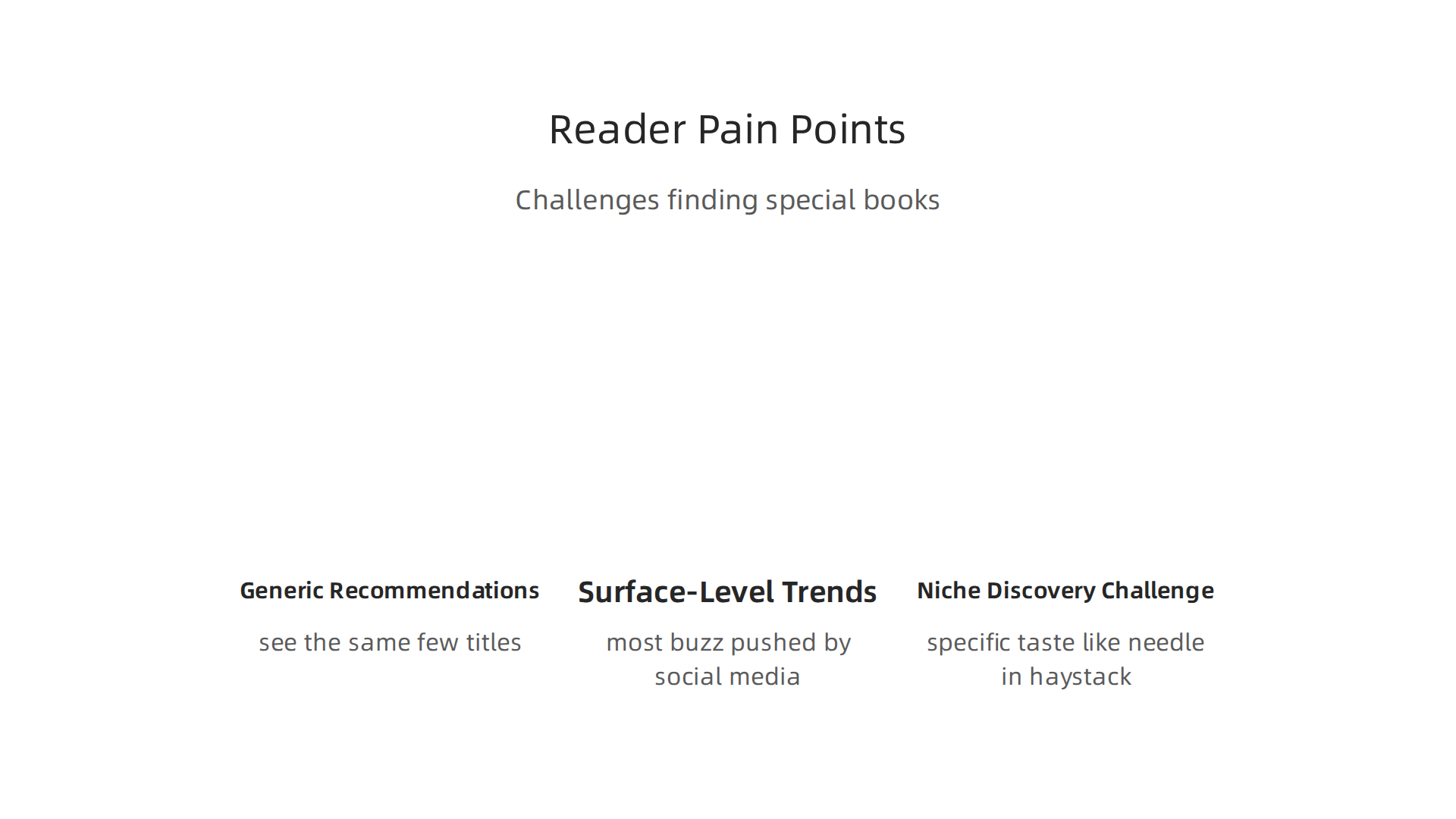
First, there’s the issue of generic recommendations. Online stores and big reading apps often use computer programs to suggest books. These programs usually look at what’s popular or what many people like. So, you end up seeing the same few titles everywhere. While these books might be good, they don’t always match your very specific tastes. For example, if you love a super unique subgenre of sci-fi, a general recommendation for a popular fantasy book might not hit the spot. In 2026, many of the hot trends in fiction, like "romantasy" or "cozy fantasy," get a lot of attention, making it hard to find other kinds of stories What’s Going to Be Hot in 2026 – Predictions for Fiction.

This leads to the problem of surface-level trends. The books that get the most buzz are often the ones pushed by big publishers or social media. This means truly unique voices or less-known gems get pushed aside. It’s like everyone is talking about the same movie, even if there are hundreds of other amazing movies out there. You might be looking for a deep, thought-provoking speculative fiction novel, but all you see are titles that are simply "trending."
Then there’s the big challenge of niche discovery. If you have a very particular taste in reading stories, finding books that fit can feel like looking for a needle in a haystack. The books that truly stand out, those "unusual novels," often don’t make it to the mainstream bestseller lists. This isn’t because they aren’t good. It’s because the market tends to focus on titles that are expected to sell a huge number of copies quickly. Many publishers choose to promote books that align with broader trends, making it harder for unique books to get the spotlight they deserve. For instance, even the most anticipated sci-fi and fantasy books of 2026 are often well-known authors or established series The 19 most anticipated sci-fi and fantasy books of 2026.
This makes it tough to find new authors or stories that challenge the norm. You might have loved a classic like Sense and Sensibility for its deep characters, or We Were Liars for its surprising twists, but finding a speculative fiction equivalent that isn’t already a mega-hit can be a real struggle. The same goes for those who enjoy a non-fiction book to read alongside their fiction, as discovery paths for "non-fiction" can be just as tricky.
These frustrations often lead readers to feel stuck, constantly picking up books that are "just okay" instead of finding truly amazing ones.

If you’re looking for hidden gems, you might appreciate our guide to popular 21st century novels a readers guide to hidden gems and award winners. This guide aims to help you get past these pain points and discover stories that truly speak to your unique reading heart, whether it’s for yourself or for your next book club meeting where you need fantasy and Sci Fi book club books that spark real discussion.
Looking for a Fresh Series? The Ridiculous blends sci-fi comedy, heart, and big weird ideas. Looking for a Fresh Series?
It’s true that finding those perfect, unique books can feel like a big puzzle. But what if you could make your own map to discover great reading stories? The secret is to build your very own "discovery system." This means taking charge of how you find books, instead of just waiting for popular lists to tell you what to read.
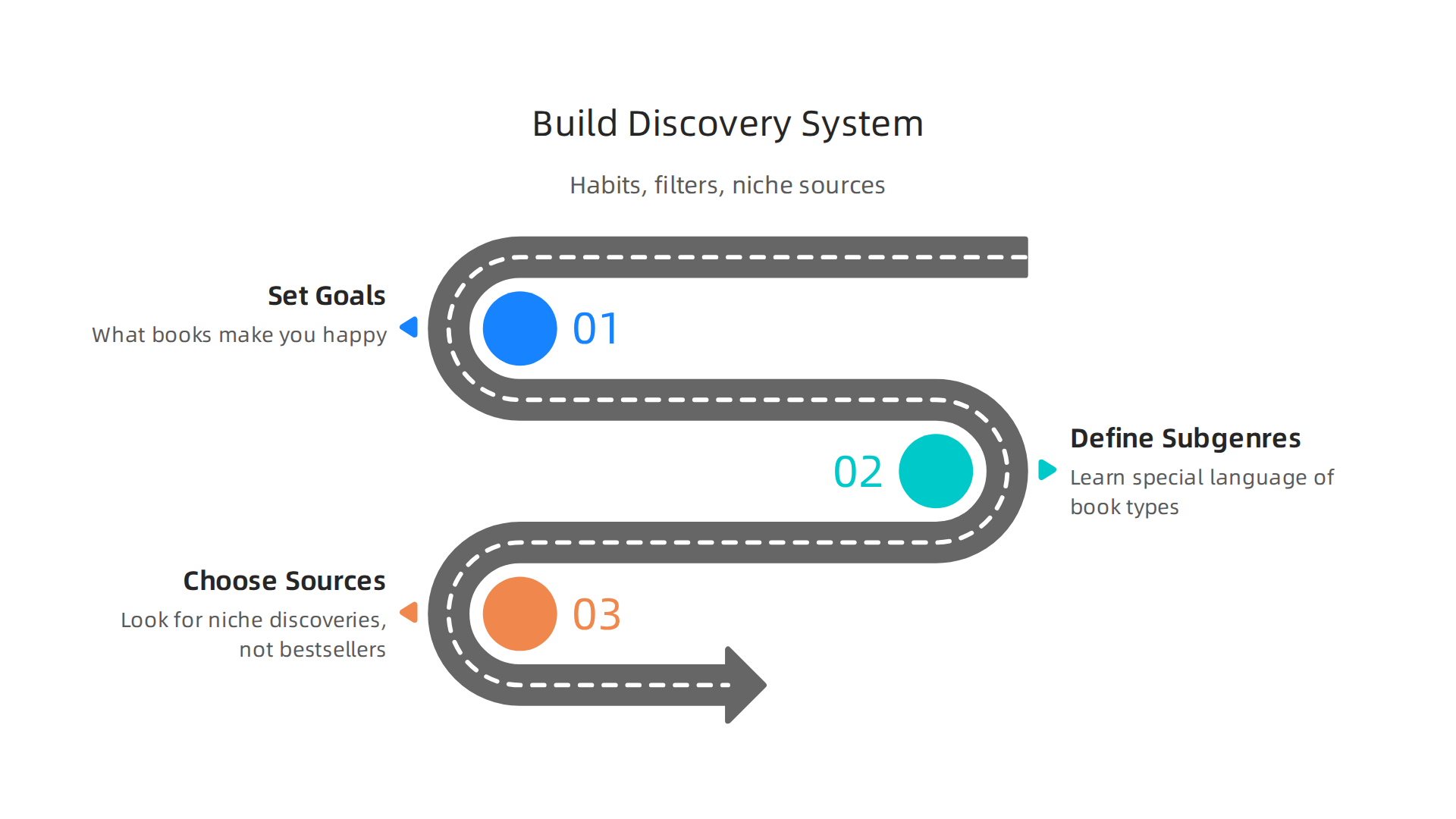
It’s about figuring out what you truly love and then knowing where to look.
Step-by-step: Set reading goals, define subgenre signals, and choose sources that prioritize niche discovery
First, think about your reading goals. What kind of books make you happy? Do you love old classics that dig deep into people’s feelings, like a sense and sensibility book? Or do you prefer modern tales with big twists, like the we were liars book? Maybe you enjoy a good non-fiction book to read sometimes, or you really love a specific kind of science fiction, like space adventures or stories about virtual worlds, similar to the ideas in Ready Player One book. Write down a few keywords that describe your dream reading experience.
Next, learn the special language of your favorite book types. For example, if you love fantasy, do you like "grimdark," "cozy fantasy," or "epic quest" stories? Knowing these words helps you search smarter. General computer programs often give recommendations based on what most people like, using what’s called a content-based system, which looks at what you’ve read before to suggest similar books An Overview of Algorithmic Recommendation Systems.

But for truly unusual novels, you need to go deeper.
Finally, choose your sources wisely. Look for places that focus on niche discoveries, not just bestsellers.
Tools and methods: curated newsletters, specialized lists, tagging systems, and library/reader database techniques
Here are some helpful tools and methods:
- Curated Newsletters: Many small websites and book lovers send out emails with hand-picked book suggestions. These are often much better at finding unique titles than big stores. Look for newsletters specific to your exact genre, whether it’s comic fantasy or deep non-fiction.
- Specialized Lists: Instead of just looking at "Top 10 Bestsellers," search for lists like "Best Undiscovered Sci-Fi of 2026" or "Hidden Gem Fantasy Books." These lists are made by people who really know their stuff.
- Tagging Systems: Websites like Goodreads or StoryGraph let you tag books with many different keywords. Use these tags to find others who love the exact same very specific kind of reading stories you do. You can even explore books tagged by unusual combinations.
- Library and Reader Databases: Libraries often have librarians who are experts in different genres. Don’t be shy to ask them for recommendations. Also, some online reader databases allow for very detailed searches using subgenres, themes, and even writing styles.
By setting clear goals for your reading stories and using these tools, you’ll start to find books that truly excite you, moving beyond the usual recommendations.
Looking for a fast, absurd adventure for readers who want fiction with wit?
Add a Funny Sci-Fi Read
Now that you know what you’re looking for, let’s talk about where to find those truly special, unusual reading stories. Beyond the big stores and common lists, there are many hidden places to discover your next favorite book.
It’s like having a secret map to treasure.
Where to find unusual or under-the-radar novels (tactical sources and curation)
Finding unique books means looking in places that care more about special finds than big sales. Here’s where to search:
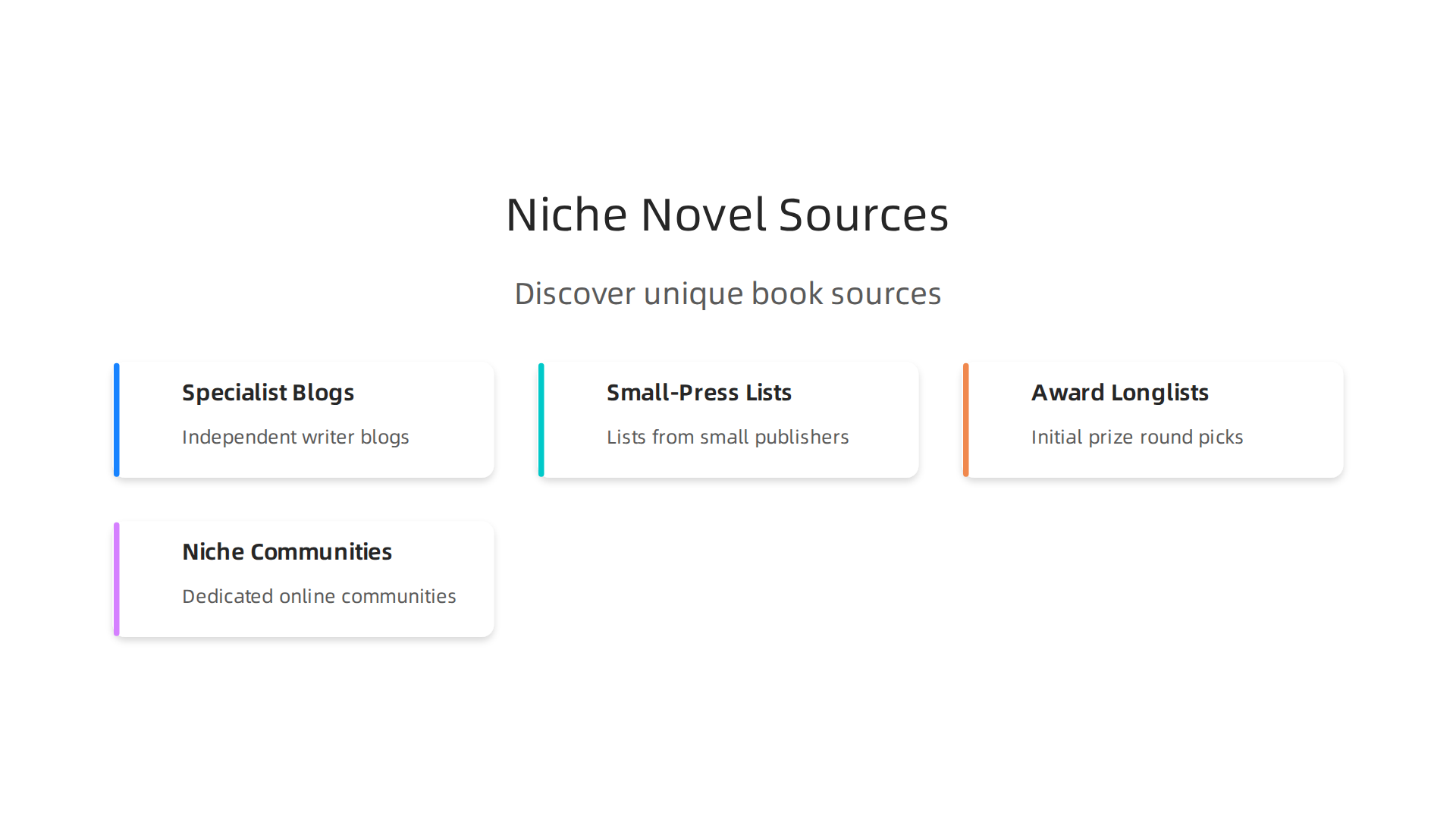
- Specialist Blogs and Websites: Many writers and book lovers create blogs just for certain types of stories. These might be about "cozy fantasy," "space opera," or even specific kinds of modern fiction for genre readers. They often review books from smaller publishers that you won’t see everywhere else.
- Small-Press Lists: A "small press" is a smaller book publisher. They often take chances on new authors or very unique ideas that bigger publishers might pass on. Look up small presses that focus on your favorite genres. Their websites usually have lists of their books, which are great for finding something different.
- Award Longlists: Many book awards have "longlists" which are like a first round of books chosen for a prize. These lists can have many amazing books that didn’t win the final award but are still excellent and not widely known. For example, some lists predict what will be popular, like the hottest fiction trends for 2026, which includes new kinds of fantasy and romance stories What’s Going to Be Hot in 2026 – Predictions for Fiction. These lists are great for finding fresh voices and unique reading stories.
- Niche Community Recommendations: Join online groups or forums dedicated to your exact interests. If you love science fiction about exploring other planets, find a group for that. People in these groups often share very specific recommendations that match your unique tastes perfectly. These communities are great for discovering books that aren’t bestsellers but are deeply loved by a passionate audience.
How to vet a source quickly to avoid time sinks and low-quality lists
It’s easy to get lost in all the lists out there. To save time and find good recommendations, here’s how to check if a source is reliable:
- Look for Passion: Does the person or website clearly love the type of books they recommend? Do they explain why they like a book, not just what it’s about?
- Specific Focus: A good source for unusual books will often have a very narrow focus. If a blog recommends everything from cookbooks to thrillers, it might not be the best for finding niche fantasy.
- Read a Few Reviews: Check if their recommendations sound like what you enjoy. Do they mention "grimdark" or "cozy fantasy" if that’s what you like?
- Check for Variety: Even within a niche, good sources suggest different authors and styles, not just the same few names. They should also recommend critically acclaimed yet popular 21st century novels that might not be on mainstream radar.
By using these methods, you’ll be able to find a lot of wonderful, surprising reading stories that you might otherwise miss.
Looking for your next adventure where things are a little weird and wonderful?
Your Next Strange Adventure
Choosing books for a book club is a bit different from picking a book just for yourself. When you’re finding reading stories for a group, you need to think about what everyone will enjoy and what will lead to a good chat.

It’s about finding that sweet spot where the book is interesting, easy to get, and full of things to talk about.
Selecting titles for book clubs: balance, discussion potential, and accessibility
A great book club choice helps everyone feel included and excited to share their thoughts. Here are some key things to think about:
- Length Matters: Long books can be tough to finish when everyone has busy lives. Aim for books that are not too short, but not so long they feel like a chore. This makes sure most members can finish the book and be ready for discussion.
- Themes to Talk About: Strong book club books have themes that make people think. These might be about family, friendship, hard choices, or even things happening in the world today. Both fiction and non-fiction book to read can bring up great topics.
For example, a non-fiction book might make you think about history, while a novel like the classic Sense and Sensibility book can lead to talks about love and societal expectations.
- Lots of Discussion Hooks: Does the book have parts that naturally lead to questions? Maybe it has a big twist, like in the We Were Liars book, or characters that make you feel strong emotions. Books with clear turning points or ideas can spark deeper conversations. You want a book that offers more than just a simple "I liked it" or "I didn’t" kind of talk. Many helpful guides offer discussion questions for any book.
- Easy for Everyone to Get: Make sure the book is easy to find, whether at the library, bookstores, or online. Also, think about how easy it is to read. Does it use really difficult words, or is it a smooth read? Choosing books that many different people can enjoy and relate to makes your club stronger. If your group loves genre fiction, consider fantasy and sci fi book club books that spark real discussion.
A Simple Way to Pick Your Next Book
To help your book club choose, you can make a quick list of possible books and compare them.
- Suggest a few titles: Have a few members suggest books they think would be a good fit. Try to get a mix of fiction and non-fiction.
- Quick check: For each book, ask these questions:
- Is it a good length (not too long)?
- Does it have interesting themes for discussion?
- Are there parts that will make people talk?
- Is it easy for everyone to get and read?
- Use a table: Put your options into a simple table to see how they stack up.
Here’s an example:
| Book Title | Length (Pages) | Key Themes | Discussion Potential | Accessibility |
|---|---|---|---|---|
| Sense and Sensibility | 300 | Love, Society | High | Easy to find |
| We Were Liars | 250 | Family, Secrets | Very High | Easy to find |
| A short non-fiction book | 200 | Current events, Ideas | Medium to High | Varies |
Using this method helps your club pick books that everyone can enjoy and talk about.
Looking for a Fresh Series? The Ridiculous blends sci-fi comedy, heart, and big weird ideas. Discover your Looking for a Fresh Series? today.
Picking great reading stories isn’t just for book clubs. It’s also about making your own personal reading journey fun and rewarding. When you think about all the amazing books out there, it can be hard to decide what to read next. How do you mix old favorites, brand-new releases, and those really long book series without feeling tired? The trick is to have a good plan that keeps your reading fresh and exciting.
Balancing classics, new releases and long series: reading plans that stick
To keep your reading interesting, try to read a mix of different kinds of books. Think of it like a healthy meal with different foods. You want a little bit of everything.
- Timeless Classics: These are books that people have loved for a long time. They often have big ideas and wonderful writing. For example, a classic like the Sense and Sensibility book can teach you a lot about life and feelings from another time. Reading classics helps you understand where many newer stories get their ideas.
- Exciting New Releases: Publishers are always putting out cool new books. In 2026, there are lots of exciting new fiction books coming out that cover popular topics like fantasy and romance. Keeping an eye on what’s new helps you stay up-to-date and find fresh voices. You can find many interesting new books by looking at What’s Going to Be Hot in 2026 – Predictions for Fiction.
- Long Book Series: Some stories are so good, they need many books to tell them all! These can be super fun, but they ask for a big chunk of your time. Think about how many books are in a series before you start. Will you still be excited by book five or six? It helps to read other types of books in between the longer ones. This way, you don’t get tired of the same story for too long. For example, after a long fantasy series, you might enjoy a short modern fiction for genre readers or even a helpful non-fiction book to read to learn something new.
A good way to make sure your reading plan sticks is to mix and match. You could read one classic, then a new book, then start a series, but take a break after each book in the series to read something short and different. This keeps your mind active and prevents you from getting bogged down in just one type of story. It’s like having many paths to explore, not just one long road.
Ready to add some fun to your reading list?
Add a Funny Sci-Fi Read
Okay, so you know what kinds of reading stories to pick, but how do you keep track of them all? It’s like having a big toy box. You need a way to put all your favorite toys in order so you can find them easily. The same goes for your books. Having smart ways to manage your reading helps you enjoy every story more.
Practical reading workflows: lists, queues, note-taking and community signals
Managing your reading doesn’t have to be hard. Think about it as having a little system for your books.
- Making Lists and Queues: The simplest way is to just make a list. You can use a notebook, an app on your phone, or even a special website. A "queue" is just a fancy name for a waiting line of books. When you hear about a cool new book, you add it to your queue. When you finish one book, you pick the next one from the top of your queue. This keeps you from wondering what to read next. You could have a queue for non-fiction books, another for fantasy, and so on.
- Tagging Your Books: Imagine putting little sticky notes on your books. That’s what tagging is. You can tag books with words like "mystery," "short read," "book club pick," or even "for when I need a laugh." This helps you quickly find the right reading stories for your mood or situation. So, if you’re looking for something light after a heavy book like we were liars book, you can just find your "light read" tag.
- Taking Notes While Reading: Sometimes, a book makes you think deeply. This is especially true for a good non-fiction book to read. Writing down your thoughts, favorite quotes, or new ideas helps you remember the book better. You don’t need fancy tools. Even a simple notebook or a note-taking app works great. This helps you get more out of every story you read, gaining insights into human nature and important ideas.
- Using Community Signals: This is like asking your friends what they’re reading. Many online places let readers share what they think about books. Sites like Goodreads are popular for this. People give books stars and write reviews. Seeing what others enjoy can help you find new reading stories that you might like too. For example, knowing that many readers enjoy a certain type of novel can guide your choices, though most members on platforms like Goodreads are female, which can sometimes influence the types of books highlighted in community discussions around gender and genre. You can find more details on this topic by looking at Reader and author gender and genre in Goodreads.
When it comes to picking books, you can use a mix of helpers. Sometimes, apps or websites will suggest books to you. These "recommendation engines" use smart computer programs to guess what you might like, based on what you’ve read before or what’s popular in 2026. This is automation. But it’s also good to pick books yourself, which is manual curation. You might see a book cover you like, or a friend might tell you about a fantastic story. The best plan often uses both. Algorithms can show you lots of options, but your own taste and what friends tell you will help you pick the best reading stories for you.
For more ideas on great books that might fit into your new reading system, check out some Popular 21st Century Novels.
Looking for a Fresh Series? The Ridiculous blends sci-fi comedy, heart, and big weird ideas. Visit Looking for a Fresh Series? to find your next adventure.
Summary
This article explains why fans of speculative fiction often feel overwhelmed by choices and generic recommendations, and it shows how to take control of your own book discovery. It covers the main pain points—trend-driven lists, algorithmic sameness, and difficulty finding niche or unusual novels—and offers a clear, practical plan for readers to follow. You will learn how to set reading goals, define precise subgenre signals, and choose sources that prioritize discovery over popularity. The guide lists tactical sources (specialist blogs, small presses, award longlists, and niche communities), tools (newsletters, tagging systems, library searches), and a quick vetting checklist to avoid low-quality lists. It also explains how to pick smart book-club choices, balance classics, new releases, and long series, and build simple workflows—queues, tags, notes, and community signals—to keep reading fresh. After reading, you’ll have actionable steps and resources to find hidden gems and pick books that truly match your tastes.